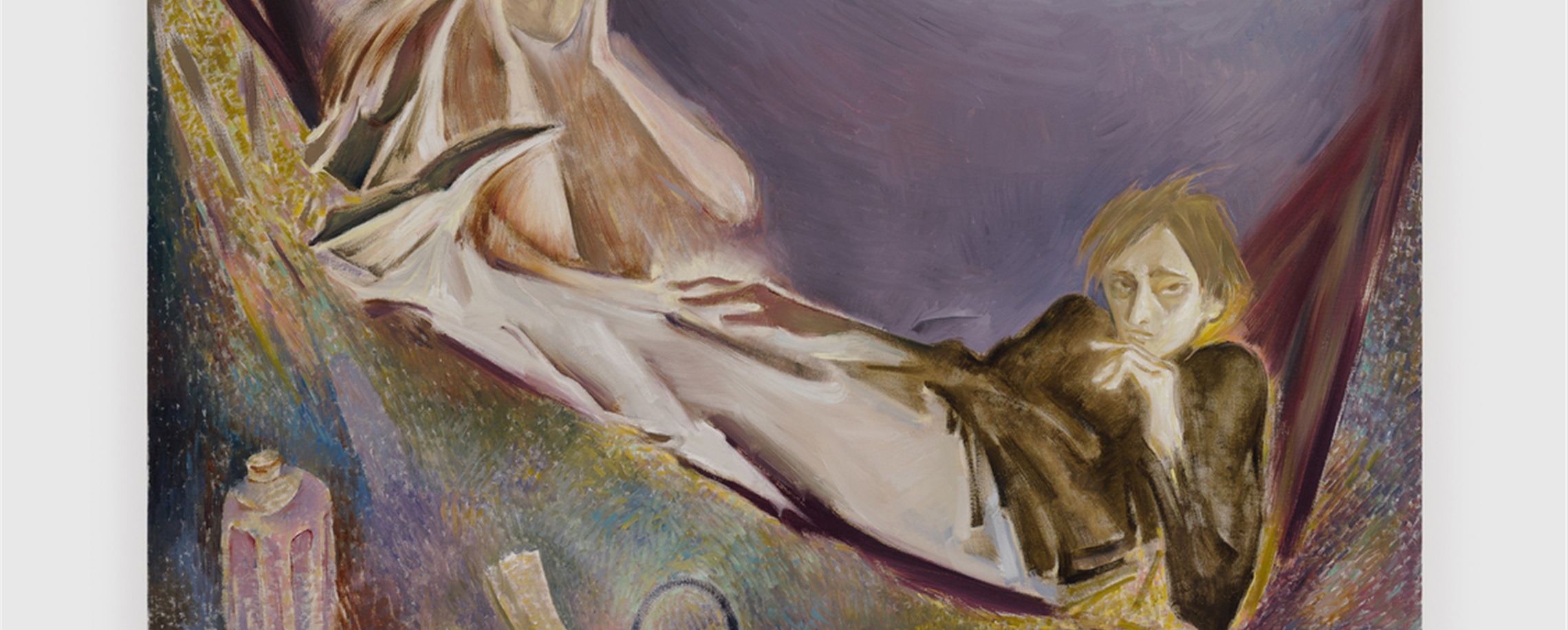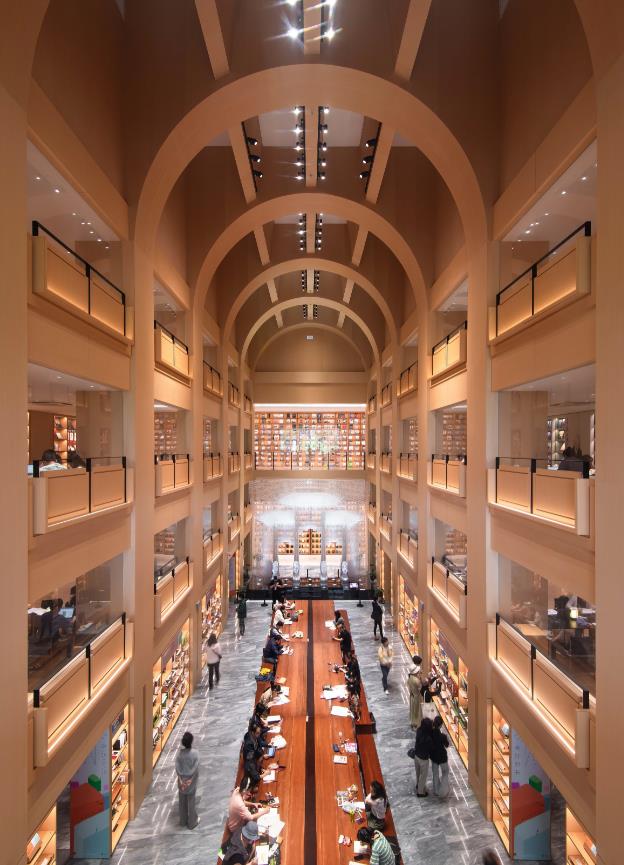
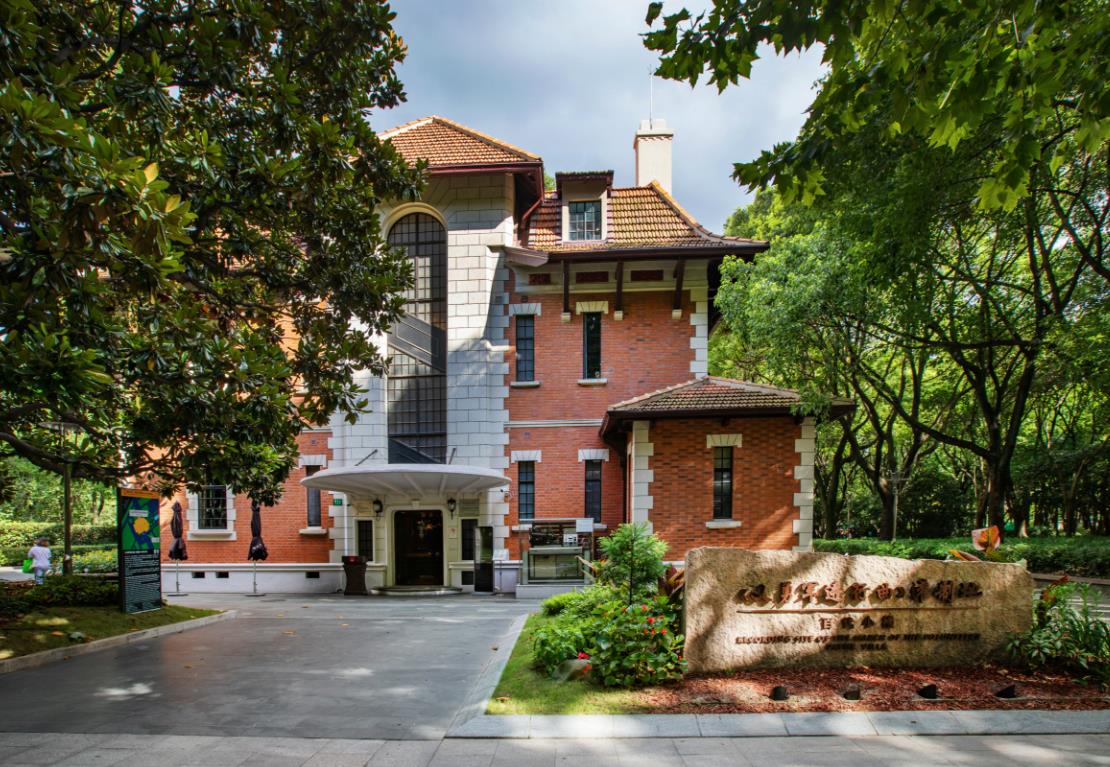
In the southwest of downtown Shanghai, there is a cluster of century-old cultural buildings. This place has witnessed the Chinese people's "earliest exposure to the West" and nurtured the development of modern Shanghai and even China's scientific and cultural civilization. This is the first urban and public tourism scenic spot in Shanghai - the Xujiahui Origin National AAAA-level Tourism Scenic Area. Xujiahui, a place of cultural convergence, historical sites, thriving commerce, and smooth transportation, has always been a symbol of the compatibility of Chinese and Western cultures in modern Chinese history. Four hundred years ago, Xu Guangqi, the Minister of Rites and the Grand Secretary of the Imperial Academy, once resided in this place where many rivers, including Zhaogang River, converged, engaging in agricultural experiments and writing books. Afterwards, this place also became a gathering place for descendants of the Xu family, and was named Xujiahui during the Kangxi period of the Qing Dynasty.
As a pioneer of Sino-Western cultural exchange, Xu Guangqi was the first to introduce Western science and civilization, opening a window for China to move towards the world and laying the first cornerstone for the inclusive "Shanghai spirit". For the following centuries, later generations inherited and promoted the cause of "learning from the West and spreading to the East" and "learning from the East and spreading to the West" initiated by Xu Guangqi and Matteo Ricci. A series of scientific, technological, cultural, educational, publishing, charitable, and religious institutions were established here. By the early 20th century, Xujiahui had already taken shape and became the birthplace of the Shanghai culture.
The former site of Xuhui Public School here was the first school to introduce the concept of " learning from the West and spreading to the East ". The Xujiahui Book Tower is the earliest surviving modern library in Shanghai. The former site of Xujiahui Observatory (Shanghai Meteorological Museum) was the first observatory along the Chinese coast. The Qian Xuesen Library is a national memorial hall for scientists... It is here that many "Shanghai's firsts" and even "China's firsts" were born, laying a solid cultural foundation and historical heritage for Xujiahui. There are also famous attractions such as the Shanghai Film Museum, the Recording Site of "The March of the Volunteers" (Pathé building), the former site of the Cathedral with engraved charity marks, and the Xujiahui Park, which represents a century of industrial history, all of which record and continue the century-old glory of Xujiahui in Shanghai.



















 2026-05-28