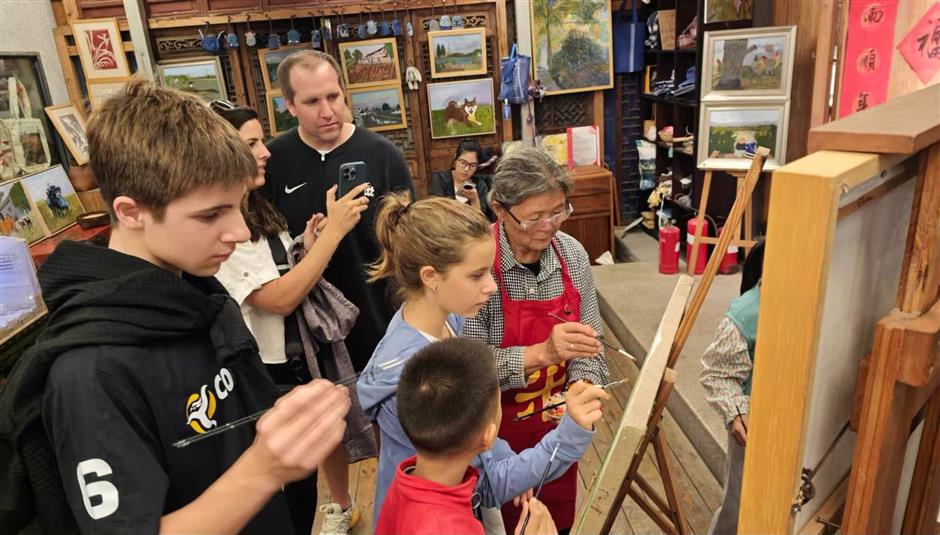
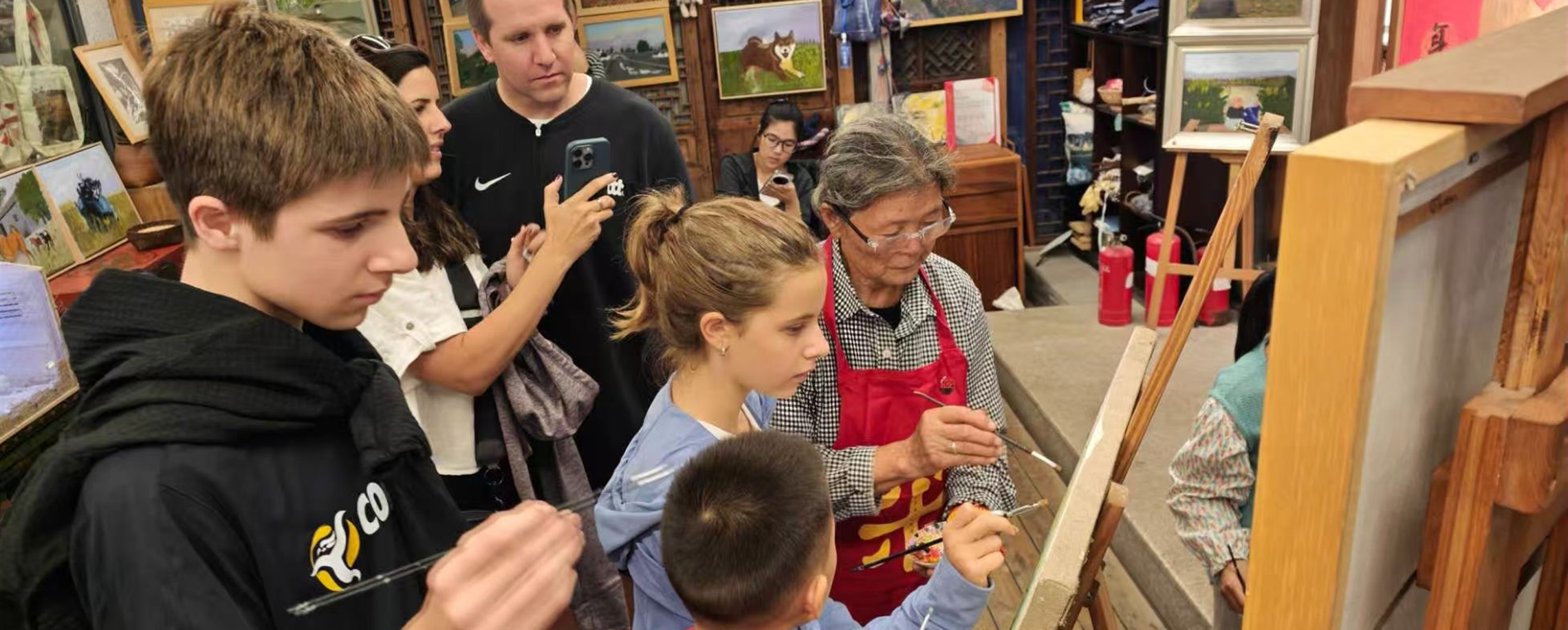
Foreign visitors to Linjia Village follow Xu Fengying, affectionately known as the "oil painter grandma," in drawing.
As golden rice waves ripple across Zhujiajiao Town, a unique blend of pastoral harvest, traditional herbal wellness and contemporary art therapy is redefining countryside tourism in Qingpu District, drawing international visitors seeking culturally immersive autumn experiences amid swaying rice and lingering herbal fragrance.
The 11th annual "Harvest Tales Among Rice Fields" event and the 2nd Qingpu Jiangnan Herbal Life Season unfolded at Linjia Village recently. Transforming ordinary farmland into an open-air cultural venue, the event brought together rural reading culture, traditional Chinese medicine wisdom, youth creative art and cross-cultural communication, offering a soothing autumn retreat.
Unlike conventional rural festivals on agricultural scenery, this year's edition integrated professional art therapy courses into the countryside, a collaborative effort between Bohexiang (Mint Aroma) Farm and art therapy labs run by students from Shanghai Institute of Visual Arts. Resonant handpan melodies mingled with field wind and insect chirps, while guided nature meditation and rural painting sessions invited visitors to slow down, reconnect with nature and release urban stress.
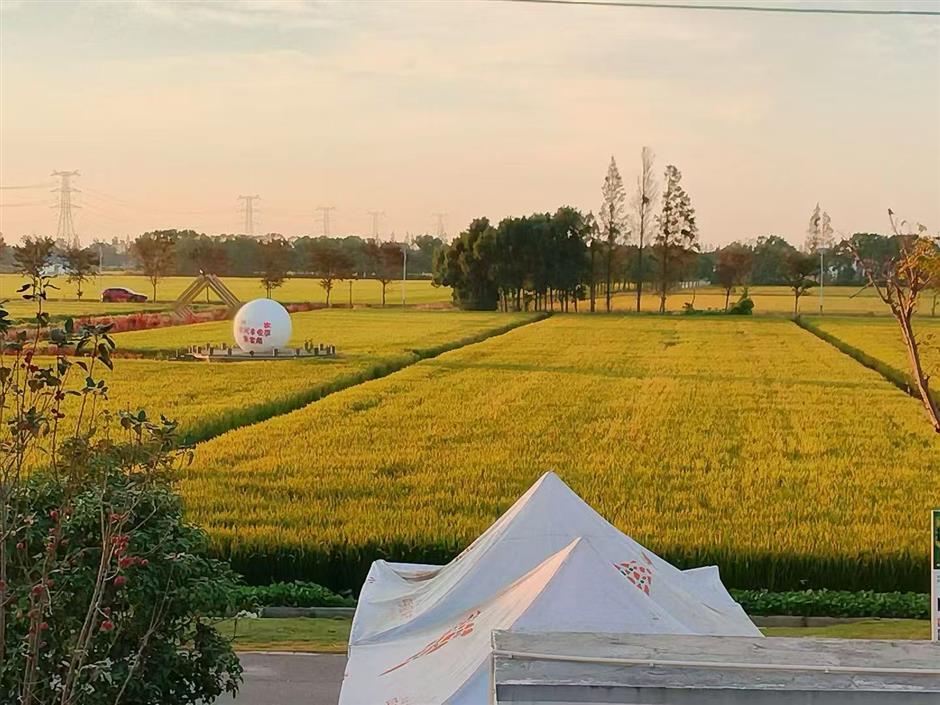
Linjia Village is blanketed in autumn golden hue.
Organizers reinterpreted traditional herbal culture beyond medicinal functions, echoing the ancient Chinese wellness philosophy of nurturing both body and spirit. While herbal ingredients strengthen physical health, artistic tranquility cultivates mental peace, creating a holistic healing experience rooted in Jiangnan's natural and cultural heritage.
The event's most touching highlight centered on an 80-year-old local resident, Xu Fengying, affectionately known as the "oil painter grandma." With no professional art training, Xu began painting a decade ago during her post-cancer recovery as a form of emotional healing.
She has created more than 300 oil paintings depicting rice fields, egrets, rivers and rural labor scenes. Over 150 of her works were exhibited in Beijing earlier this year, bringing grassroots rural art to national art platforms. Her simple, sincere artistic philosophy, "paint whatever your heart sees," has resonated widely.
A rural bazaar is held in Linjia Village.
Nestled amid the rice fields, the Mint Aroma Farm, a renowned rural bookstore honored as one of Shanghai's "Most Beautiful Village Bookstores," served as the cultural heart of the activities. The bookstore anchors the village's literary vibe, hosting rice field reading sessions, book drifting programs and other book-related activities regularly.
The ongoing rural book-drifting program launched at Canye Space, a renovated old factory landmark, follows a simple warm rule — bring one book, leave one book. The initiative builds a mobile library connecting urban readers, rural residents and global travelers.
On the opening day, hundreds of books were exchanged, including literary classics, children's picture books, agricultural manuals and foreign-language volumes left by overseas visitors. A French tourist left a French version of "The Little Prince" with handwritten blessings, while Japanese visitors selected Jiangnan folk art albums, expressing admiration for Shanghai's vibrant rural aesthetics.
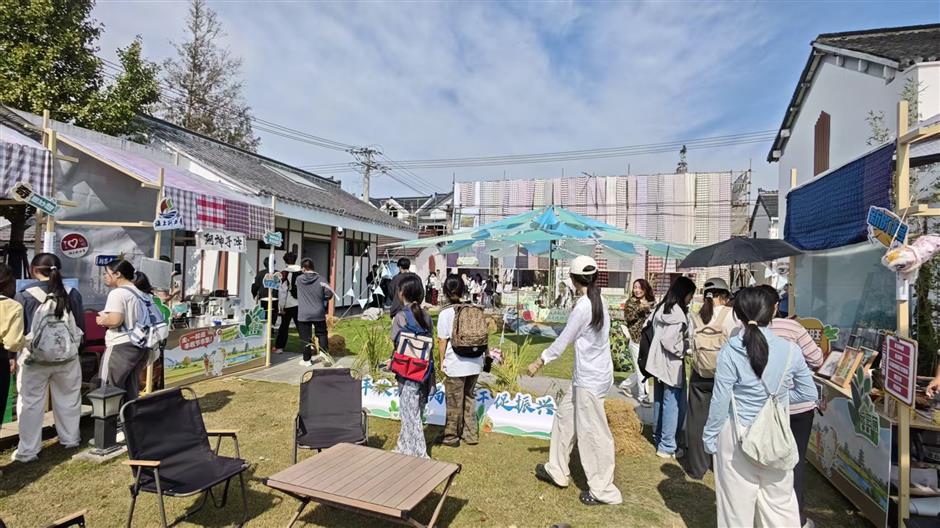
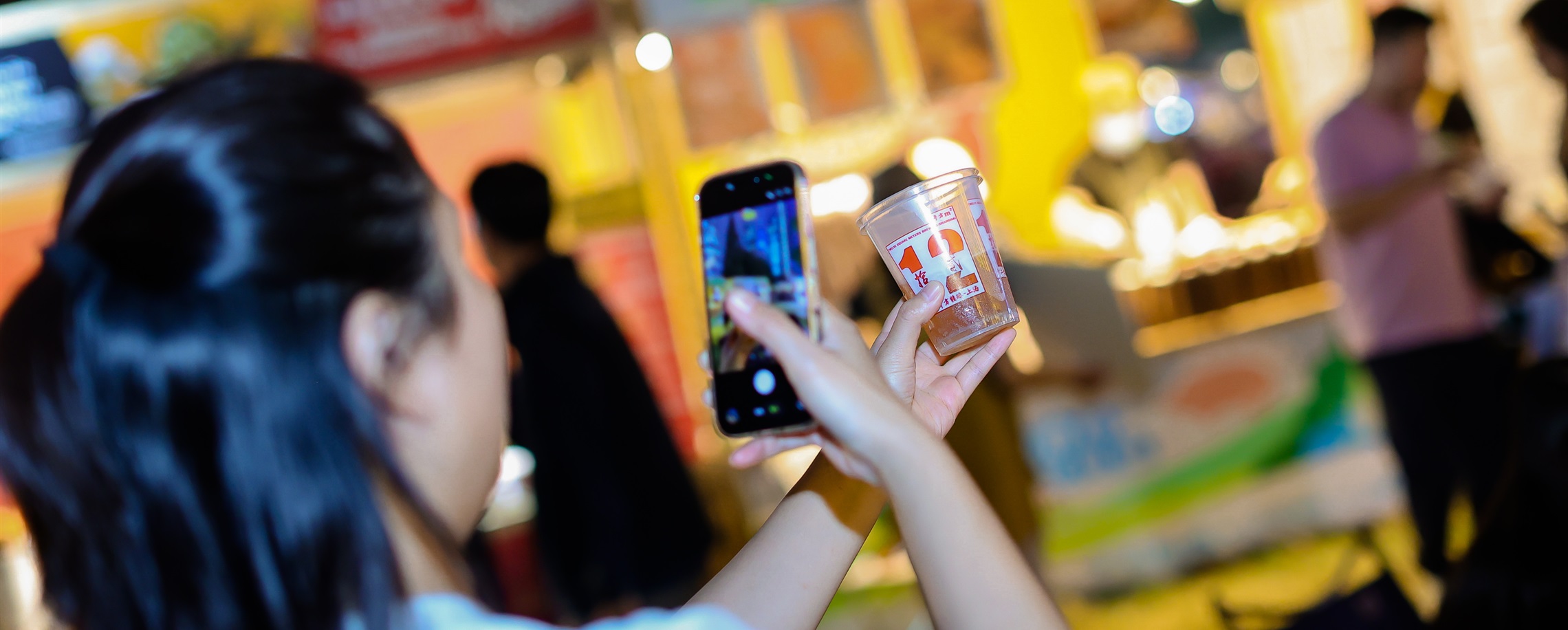
A rural bazaar is held in Linjia Village.
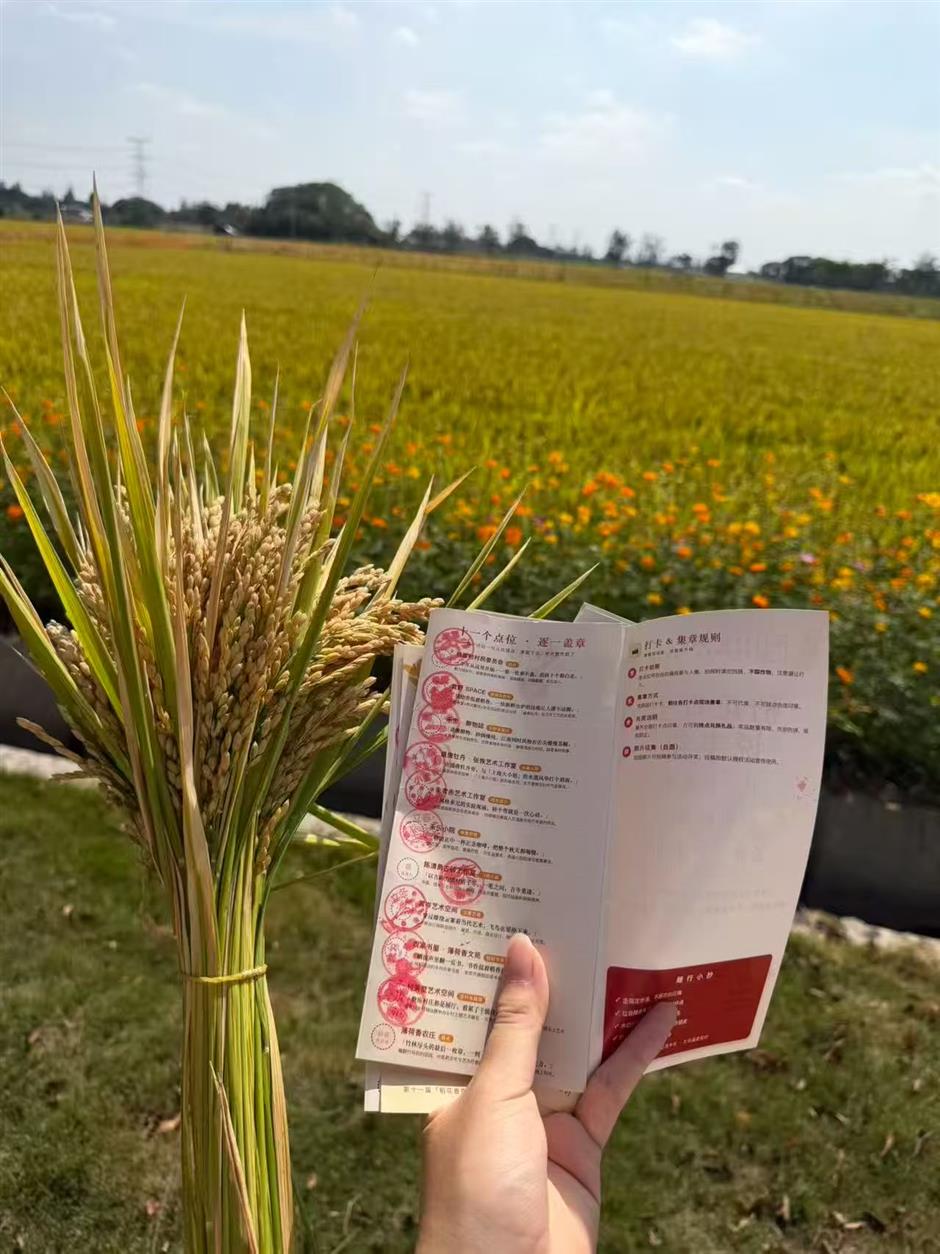
An enchanting scenery of the village
"The village shares its scenery and warm touch and embraces global vision," said Chen Junfang, operator of the bookstore. "Every book exchange builds a bridge between city and countryside, China and the world."
The autumn art walk covered 11 distinctive village spots, featuring food culture, coffee, ancient brick painting, and ink art. Visitors collected 11 exclusive commemorative stamps throughout the route, turning a casual countryside stroll into a seasonal cultural journey. Studios of local and international artists scatter across the village, making the entire countryside an open, borderless art gallery.
A highlight of this year's campaign was art and wellness activities which defined the 2nd Jiangnan Herbal Life Season. On-site activities included free TCM consultations, solar-term herbal tea tasting, sachet handicraft workshops and musical healing performances. Local agricultural products, from water bamboo to fragrant rice, were redesigned with trendy cultural IPs, upgrading traditional farm goods to culture-driven branded products.
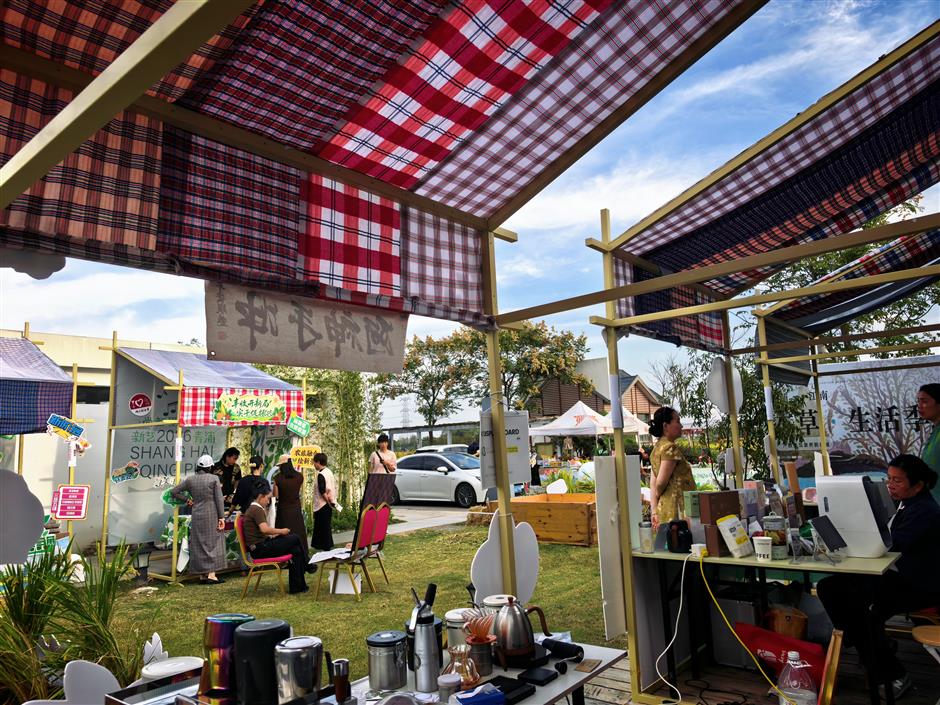
A rural bazaar is held in Linjia Village.
Meanwhile, bilingual art works and interactive experiences enabled foreign visitors to understand traditional Chinese medicine and Jiangnan rural culture through universal artistic language.
The continuous optimization of rural tourism and cultural scenarios has significantly boosted regional consumption. During this year's National Day holiday, major commercial areas in Qingpu achieved over 480 million yuan (US$72 million) in sales, receiving nearly 2 million visitors. Zhujiajiao Ancient Town alone welcomed 284,900 tourists, including 84,000 inbound visitors, solidifying its reputation as a preferred micro-vacation destination and a gateway for international tourists to experience authentic Jiangnan culture.
















 2026-10-21