Ti Gong
Inside the historic Twin Villas on Huaihai Road, visitors are not asked to admire jewelry from a distance. They are invited to look closer – at the cloudy surface of a mineral, the uneven glow of a pearl, and the tiny brushstroke of enamel being applied to a butterfly wing.
The seventh L'ÉCOLE Festival in Shanghai turns a century-old villa into a temporary world of gemstones, where minerals, pearls, enamel, and ancient jewelry are presented not as status symbols but as materials with histories, accidents, and secrets.
Held over two weekends, May 16–17 and 23–24, the free public event invites visitors to move through course demonstrations, talks, hands-on workshops, a reading area, and a treasure hunt designed around gemstone knowledge.
This year's theme, "The World of Gemstones," follows a simple but absorbing question: how does something from the earth become an object of beauty?
Ti Gong
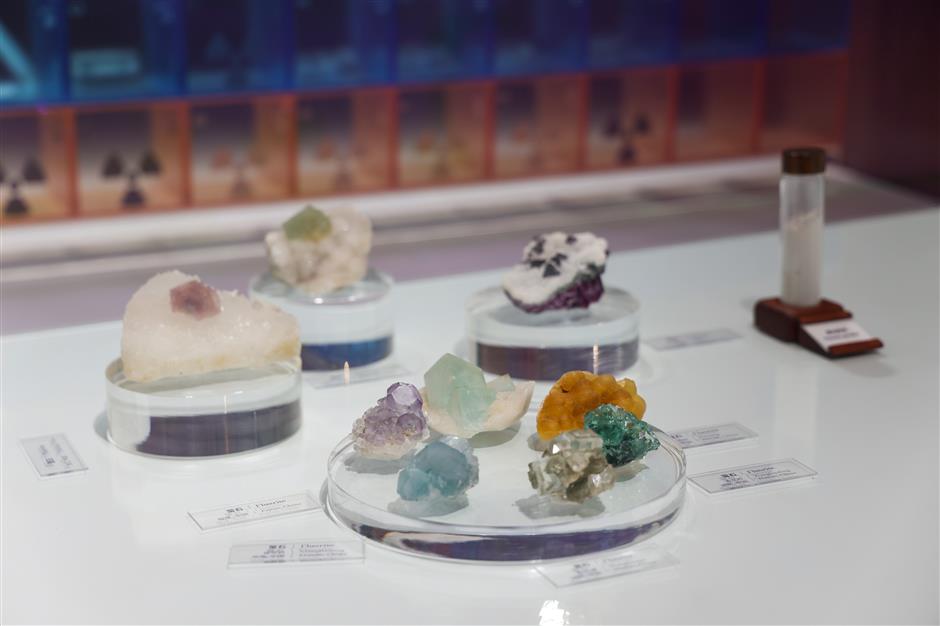
Mineral specimens on display at the festival's geology-themed experience area.
On the second floor, visitors can encounter minerals before they become jewelry . Under soft light, clusters of amethyst, fluorite and other stones sit on transparent stands, still rough, cloudy and crystalline.
Nearby, displays introduce chemical elements and crystal structures, turning what might seem like a table of beautiful rocks into a quiet lesson in geology.
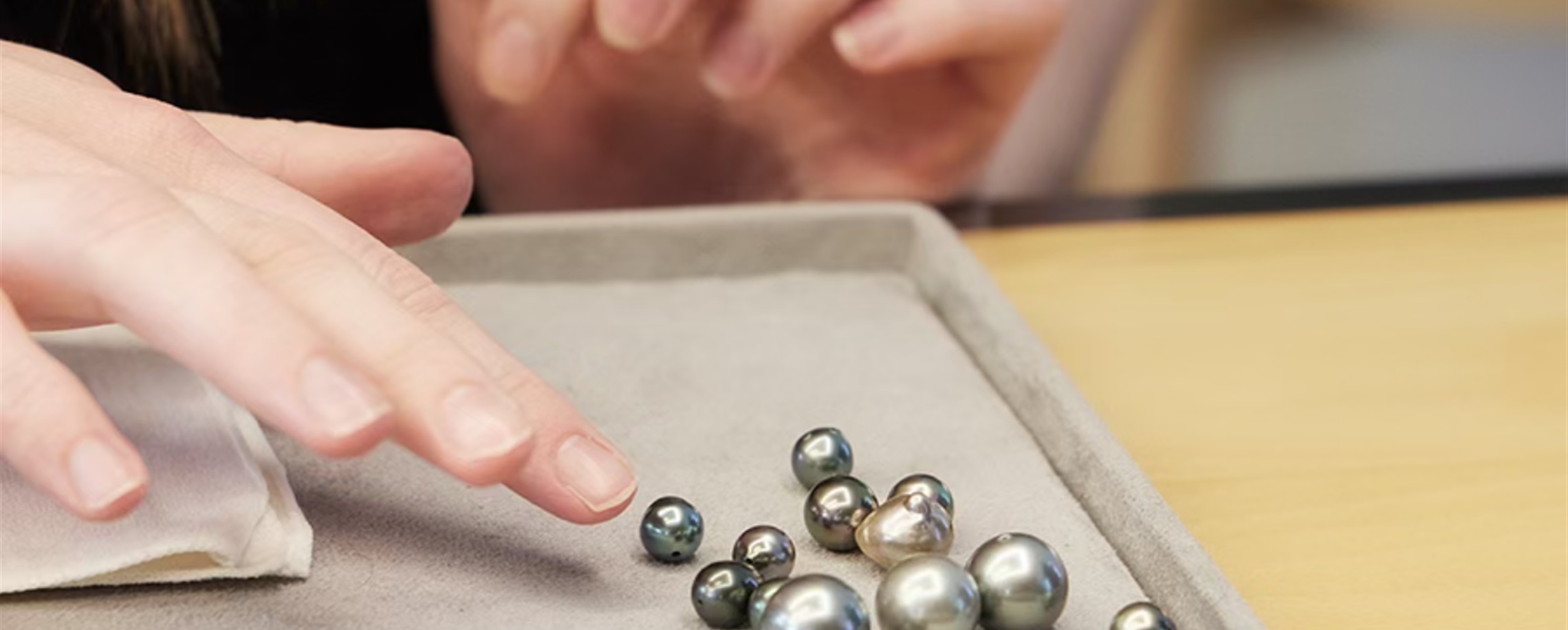
In another room, pearls become the focus. Participants can examine pearls of different origins, shapes and colors, learn how nature and cultivation produce their subtle differences.
The appeal is not in perfection, but in variation: a pearl can be round, baroque, silver-gray, or softly luminous, each carrying traces of the living organism that formed it.
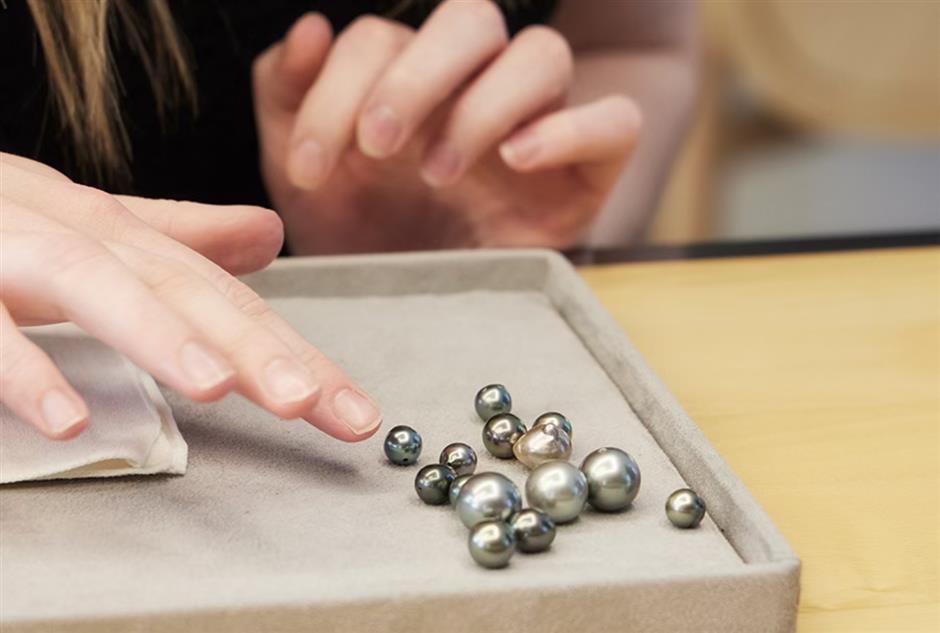
Ti Gong
A course demonstration introducing the history and symbolism of pearls.
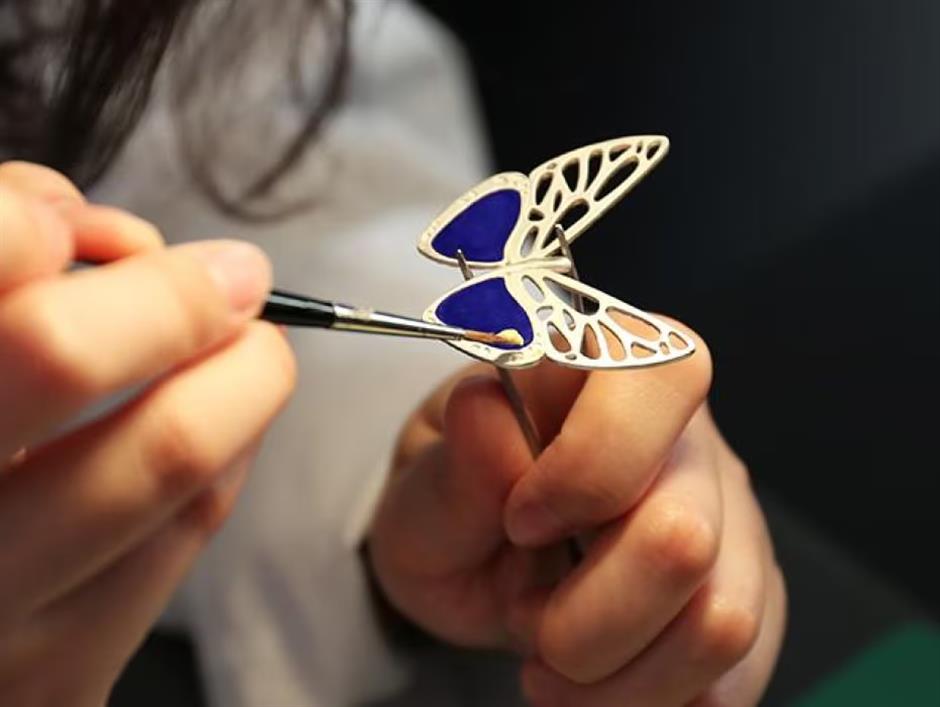
Craftsmanship enters the story through enamel. In one demonstration, visitors can watch colors being carefully applied to a butterfly-shaped metal frame, revealing how patience, heat, and hand control can turn a fragile surface into something radiant.
The process makes jewelry feel less like a finished luxury object and more like a slow accumulation of decisions.
The festival also places gemstones inside a longer cultural memory. Talks explore flowers as jewelry motifs, the history of amulets and lucky stones, ornamental gems used from ancient Egypt to Europe, and the butterfly as a symbol of transformation.
These themes shift the focus from price to meaning: why humans attach stories, protection, beauty and desire to stones.
The most engaging part is the event's lightness. Visitors can carry treasure maps through the villa, answer questions hidden inside demonstrations, and browse books on gems and jewelry history in a quiet reading space. Children can touch, watch and ask. Adults can slow down and look again.
By the end, the raw minerals upstairs may feel as important as the finished jewels. They remind visitors that before a gemstone enters a ring, brooch, or museum case, it begins with pressure, chemistry, and time – something born deep underground long before it becomes decoration.
Date: May 23-24
Admission: free
Scan the QR code for reservations and enter the mini program.
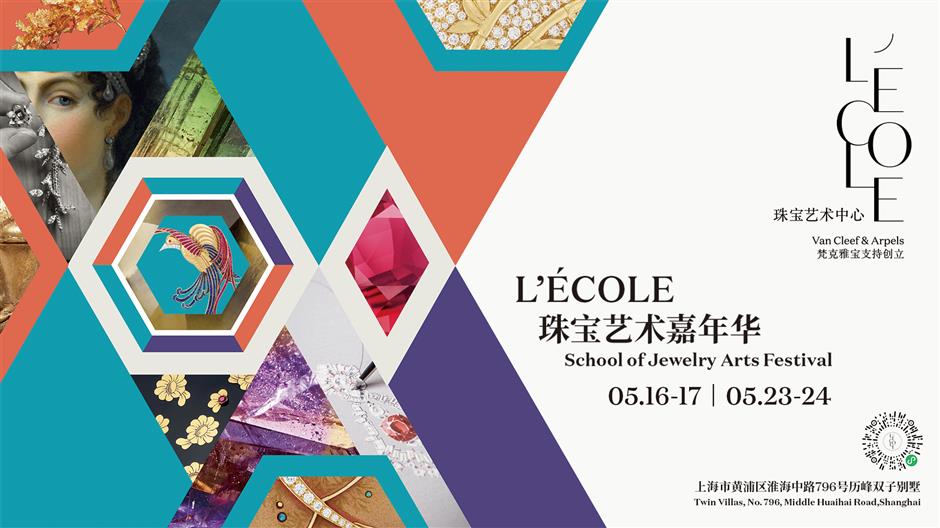
Ti Gong

















 2026-05-23