
The exhibition features endangered native plants of the Yangtze River Economic Belt.
An exhibition highlighting rare and endangered native plants of the Yangtze River Economic Belt opened on Saturday at Shanghai Chenshan Botanical Garden in Songjiang District, offering an immersive showcase of regional biodiversity and conservation efforts.
The exhibition displays the survival status, conservation breeding technologies, ex-situ conservation outcomes and wild reintroduction progress of vulnerable plant varieties across the Yangtze River basin.
Stretching across 11 municipalities and provinces, the Yangtze River Economic Belt features diverse landforms and rich habitats, hosting more than 60 percent of China's higher plant species. The basin preserves numerous ancient relict and endemic plants, serving as a core treasure house of wild plant germplasm resources and a key zone for national biodiversity conservation. Due to habitat changes, hydrological fluctuations and ecological disturbances, ultra-small population species unique to the Yangtze face shrinking habitats and severe survival threats.

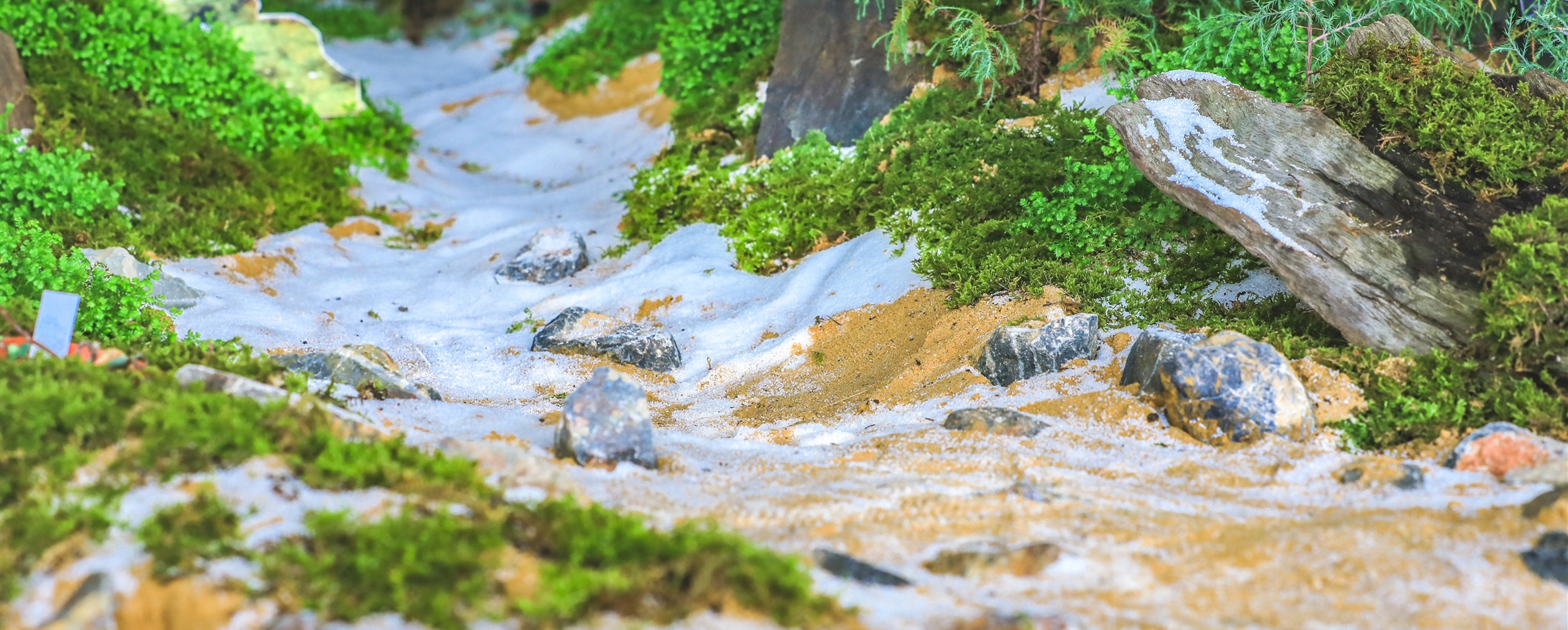
A glimpse into the exhibition
Jointly supported by eight professional botanical institutions and nature reserves nationwide, the exhibition adopts an innovative three-section viewing route categorized by the river's upstream, midstream and downstream geographical features. It presents distinctive plant resources and targeted conservation practices across the entire Yangtze watershed.
The upstream alpine zone display features unique plateau varieties adapted to the vertical landforms of the Hengduan Mountains. The fragile alpine ecosystem has long restoration cycles, and the exhibition demonstrates technical breakthroughs in germplasm preservation and artificial breeding for high-altitude plant groups through ecological landscaping and digital science popularization.
The midstream river-hill zone focuses on endemic species from Hunan, Hubei and Jiangxi provinces. Featured plants include species threatened by wetland reclamation and habitat fragmentation. The display illustrates the complete conservation process from emergency rescue and ex-situ protection to wild population reconstruction, interpreting the ecological value of integrated mountain, river, forest, farmland and wetland ecosystems.

A glimpse into the exhibition
The downstream Yangtze River Delta wetland zone exhibits iconic rare species of East China. Most local rare plants survive in fragmented micro-habitats amid intensive urban development. The exhibition combines in-situ conservation achievements with popular science education to raise public awareness of protecting delta biodiversity and ultra-small plant populations.
Integrating ecological landscape restoration, detailed graphic displays and QR code digital guides, the exhibition presents precious "living plant fossils" formed through tens of millions of years of geological evolution.


















 2026-11-25