The 19th of China's 24 solar terms and the first of winter, lidong (立冬, lìdōng), means "start of winter." Traditionally, winter was understood as a time of completion and storage, when the year's harvest had been gathered, and the natural world began settling into dormancy.
The calendar, however, is getting ahead of the weather. In Shanghai, lidong rarely feels like the start of winter. Autumn is still very much underway, and the city's coldest period remains some way off.
What it feels like right now
This year, lidong falls on Saturday, November 7. Early November in Shanghai is generally mild, with daytime highs around 18-20°C and nighttime temperatures in the low teens. Cold fronts can bring abrupt temperature drops, but there are still plenty of afternoons when a light jacket will do.
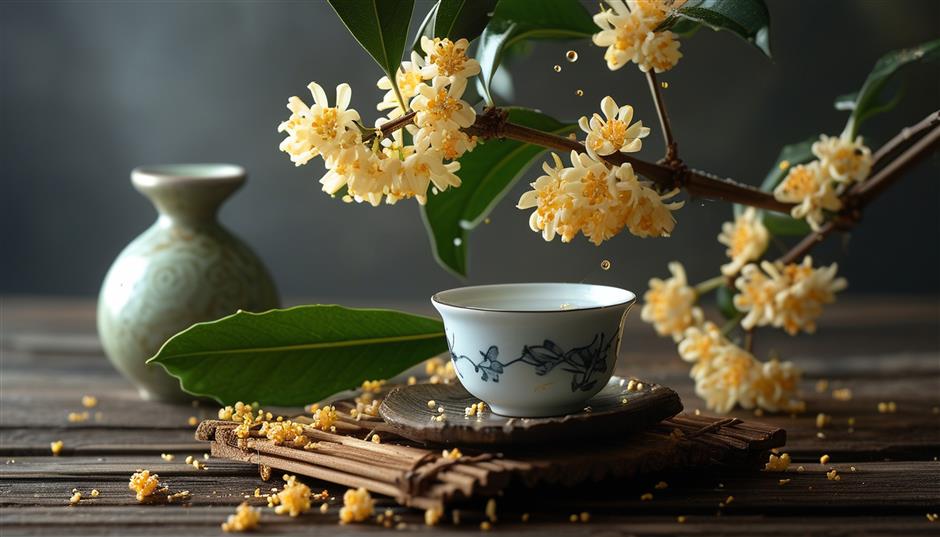
There's even a name for the occasional warm spell at this time of year: 十月小阳春 (shíyuè xiǎoyángchūn), or "little spring in the 10th lunar month." The expression refers to unseasonably warm, sunny weather in late autumn and early winter, sometimes warm enough to coax some fruit trees into flowering a second time.
Imaginechina
Lidong traditionally marks the beginning of the winter brewing season for yellow rice wine.
Things people do (or used to do) during this term
Brewing winter wine: In Shaoxing, in neighboring Zhejiang Province, lidong traditionally marks the beginning of the winter brewing season for yellow rice wine, or huangjiu. Cooler temperatures help regulate fermentation, allowing the wine to develop slowly over the winter. Suzhou has its own seasonal specialty, osmanthus winter wine (桂花冬酿酒, guìhuā dōngniàngjiǔ), a sweet, low-alcohol wine made of glutinous rice and sugared osmanthus that's brewed after lidong and traditionally drunk around the winter solstice.
Eating to prepare for winter: Bǔdōng, or "topping up" for winter, is the best-known lidong custom. Dishes vary considerably by region. Northern China eats dumplings, while Jiangnan favors warming meat dishes, soups, and glutinous rice preparations. In Shanghai's northern districts such as Jiading, Baoshan and Chongming, lamb is traditionally braised in soy sauce until dark and richly flavored. South of the Huangpu River, in places like Songjiang, Fengxian and Jinshan, it's more common to see lamb "white-cut" (白切, báiqiē), simply cooked and sliced to let the meat's flavor come through.
Bathing away illness: In old Shanghai, lidong was an occasion for saojie (扫疥, sǎojiè), a ritual bath intended to ward off skin diseases and other ailments before winter. According to the Huyan Waibian 《沪谚外编》, a collection of Shanghai folk sayings and customs, people would boil chrysanthemums, honeysuckle and aromatic herbs in water, then bathe in the fragrant infusion.
Imaginechina
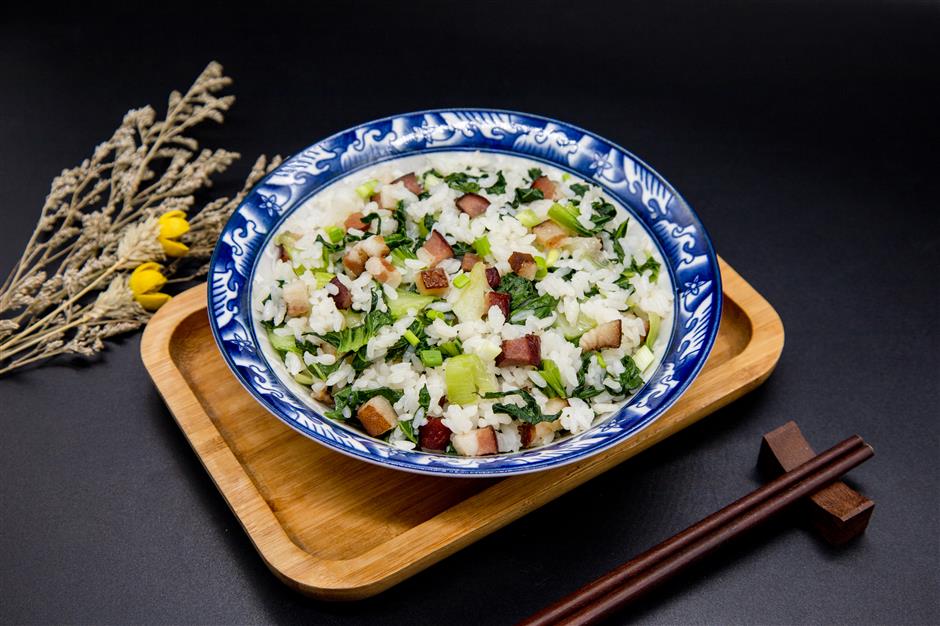
In Shanghai and neighboring Suzhou, the season calls for xianrou caifan (咸肉菜饭) – rice cooked with salted pork and leafy greens.
What's in season
Hairy crab season is still going strong. The males traditionally peak in the tenth lunar month, which begins on November 9 (two days after lidong) this year. Right now, both males and females are considered good to eat.
Winter bamboo shoots (冬笋, dōngsǔn) are also starting to arrive. Unlike spring shoots, they're harvested before emerging from the ground, giving them a particularly tender texture and delicate flavor. They're typically sliced into soups or stir-fried with pork. Water chestnuts (荸荠, bíqi) are another seasonal favorite. They're eaten raw, peeled and sliced like fruit, or cooked into savory dishes.
Shanghai's leafy greens are also becoming sweeter in the colder weather, so in Shanghai and neighboring Suzhou, the season calls for xianrou caifan (咸肉菜饭) – rice cooked with salted pork and leafy greens, often finished with a spoonful of lard and paired with a bowl of soup.


















 2026-11-07