China Daily
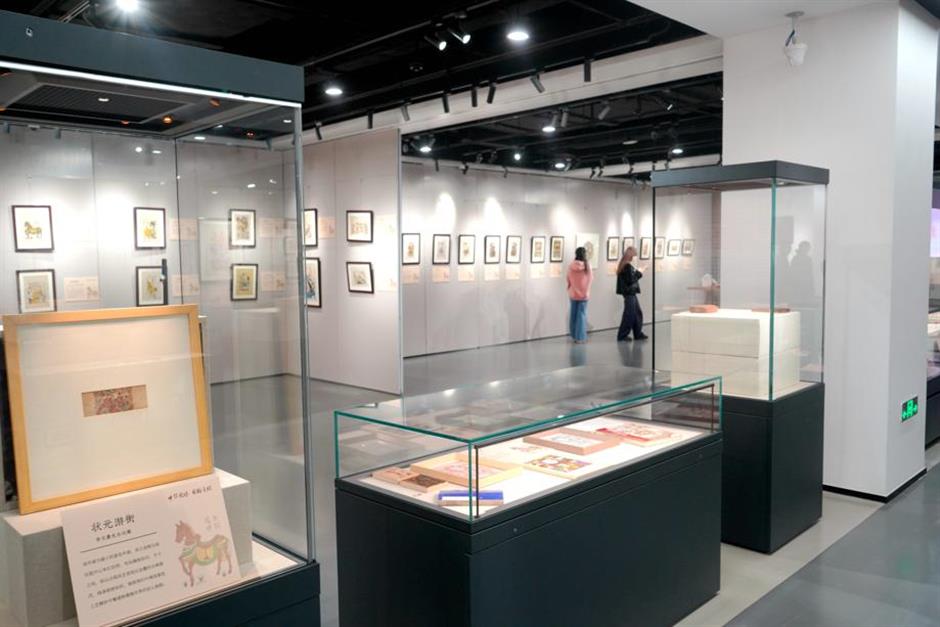
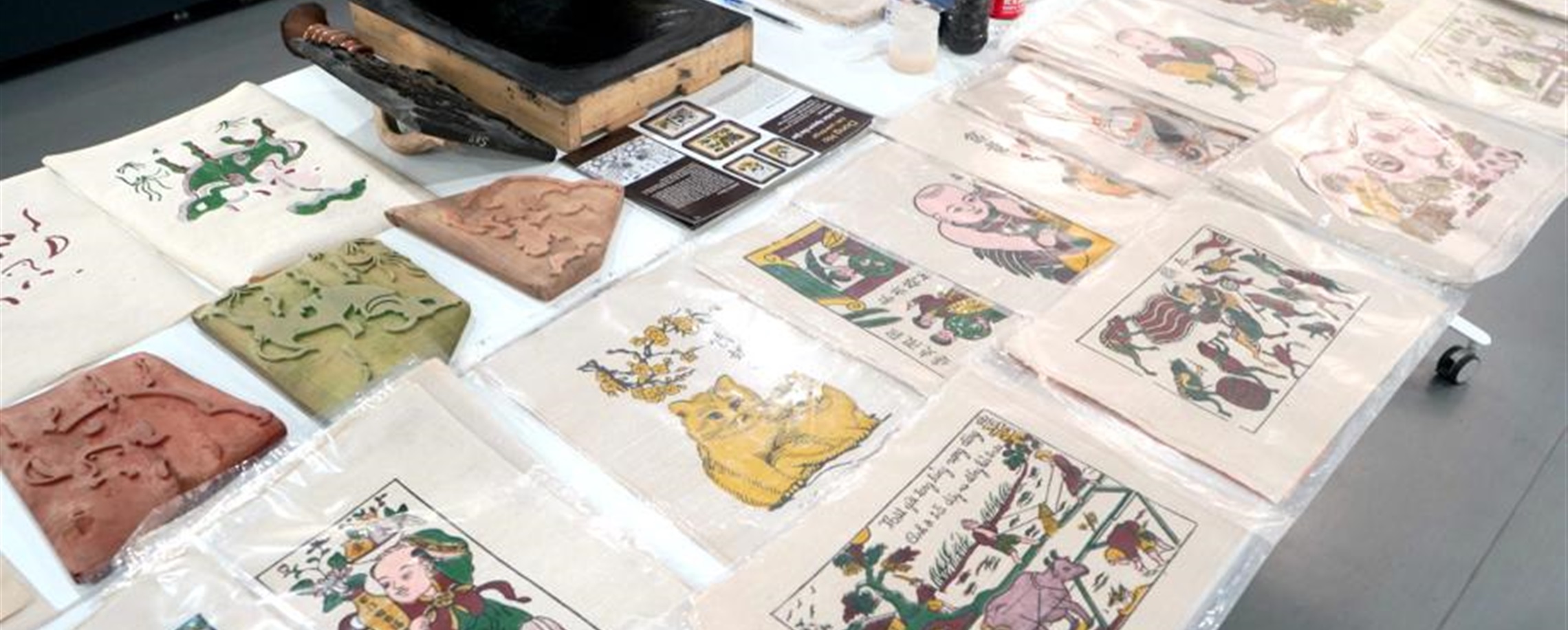
An exhibition featuring more than 100 New Year paintings from both China and Vietnam is being held at East China Normal University in Shanghai until January 7, 2026.
An exhibition showcasing more than 100 pieces of nianhua, or New Year paintings, from both China and Vietnam has opened at East China Normal University in Shanghai, highlighting the charm of Chinese intangible cultural heritage as well as the close cultural ties between the two countries. Most of the works are New Year woodblock prints, an art form included in China's first batch of national intangible cultural heritage in 2006. This folk tradition uses woodblock printing techniques and typically features auspicious and festive themes, serving as vivid expressions of people's hopes for a better life. New Year woodblock prints are found throughout China and have also had a wide influence in Southeast Asian countries. Bordering China, Vietnam has long been a center for the practice of folk art.
In Vietnam, New Year woodprint pictures usually retain numerous Chinese cultural elements while integrating with local culture and characteristics. They have gradually evolved into a distinct and representative art form, and were listed among Vietnam's national cultural heritage in 2013.
New Year woodprint pictures are found across China, and have also had an extensive influence in Southeast Asian nations. Bordering China, Vietnam has long been a center for the practice of the folk art.
In Vietnam, New Year woodprint pictures usually retain numerous Chinese cultural elements while integrating with local culture and characteristics. They have gradually evolved into a distinct and representative art form, and were listed among Vietnam's national cultural heritage in 2013.
China Daily
An exhibition of more than 100 New Year paintings from both China and Vietnam is being held at East China Normal University in Shanghai until January 7, 2026.
Tian Zhaoyuan, curator and professor at East China Normal University, said China's New Year paintings are a "visual epic" of the nation's agricultural civilization, while Vietnam's represent the overseas inheritance of such epics.
"They bear witness to the enduring cultural ties and Silk Road friendship between China and Vietnam," said Tian.
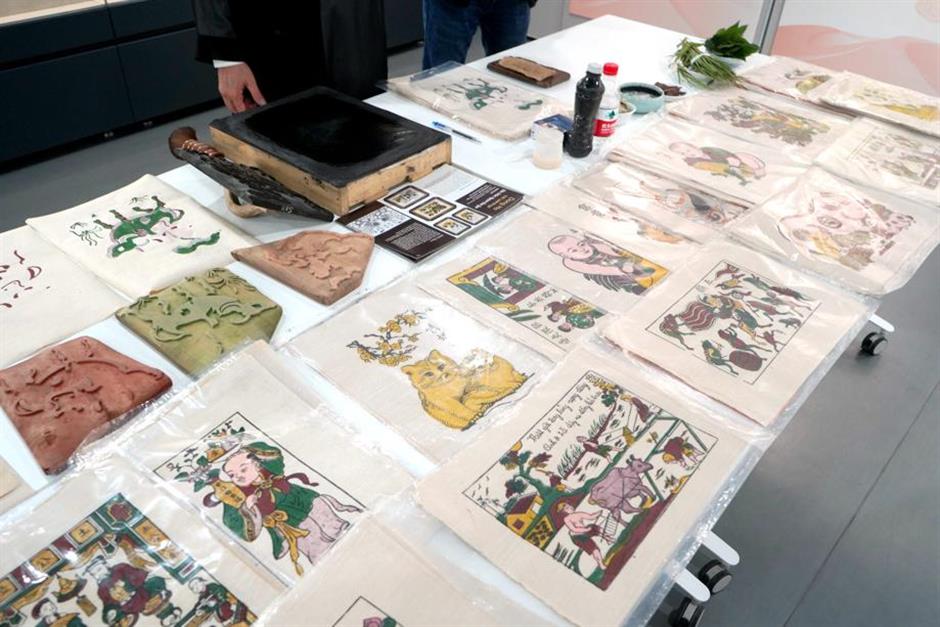
During the exhibition, inheritors of the intangible cultural heritage from both nations are showcasing traditional crafts such as carving, printing, and painting. Visitors can experience the masterful craftsmanship passed down through generations in person, and immerse themselves in a cultural dialogue that transcends language barriers.The exhibition runs through January 7 and also features a variety of activities beyond the campus, aiming to showcase the vitality of traditional Chinese culture and provide the public with easier access to folk art.
Running through Jan 7, the exhibition also features diverse activities that extend beyond the campus, aiming to present the vitality of traditional Chinese culture and offer the public easier access to folk art.

















 2026-01-02