Across China, most regional cuisines are named after places.
Sichuan has Sichuan cuisine. Cantonese food comes from Guangdong. Huaiyang cuisine takes its name from Huai'an and Yangzhou. Suzhou, Wuxi and Hangzhou all have their own local cooking traditions.
Then there is Shanghai.
Its food is more often called "Benbangcai (本帮菜)," literally "local school cuisine" or "our own style of cooking."
That name says a lot about the city. It is modest, deeply local and quietly confident. It does not sound like a grand culinary empire. It sounds like something born at home, refined in restaurants, and kept alive by generations of people who know exactly how a good plate of red-braised pork, oil-fried river shrimp or eight-treasure duck should taste.
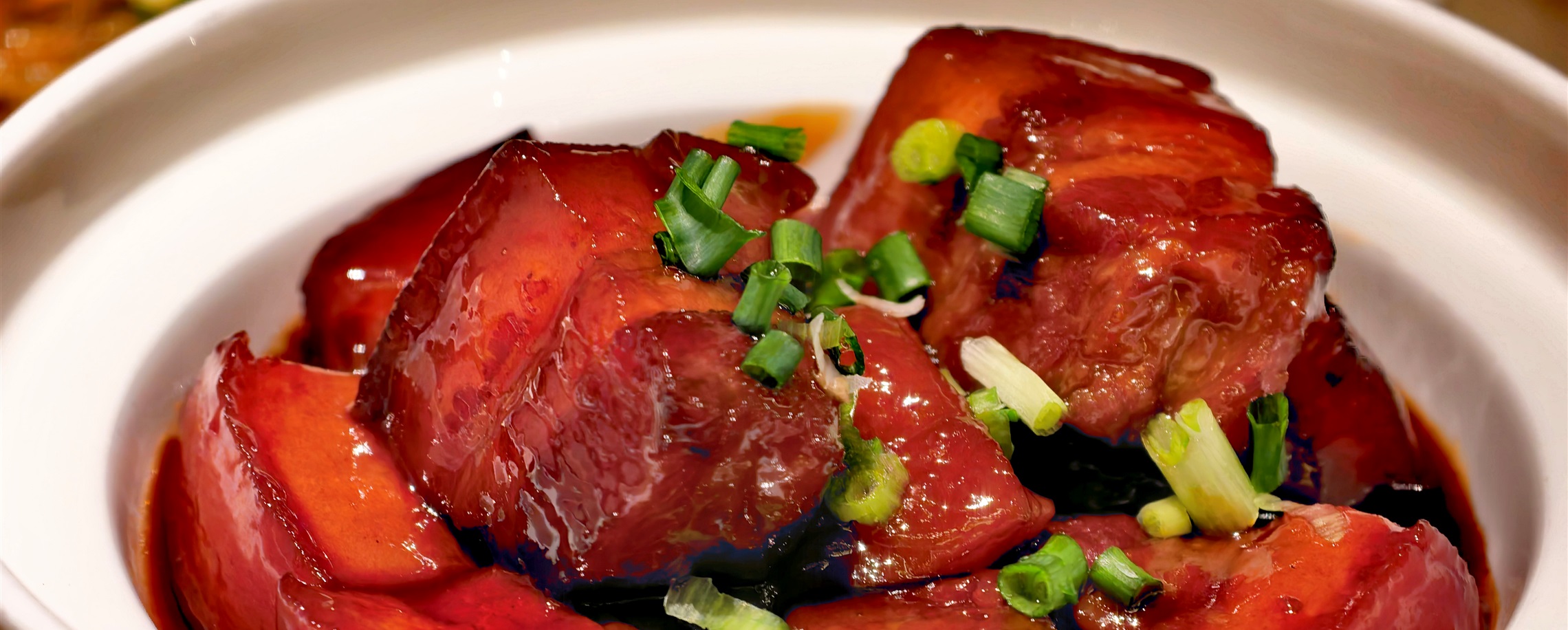
Imaginechina
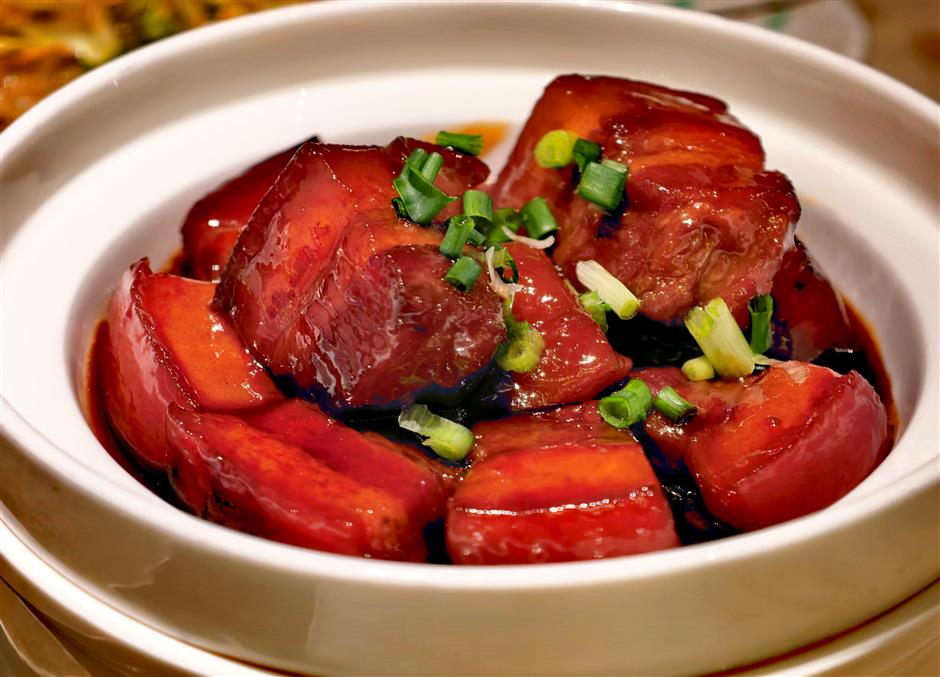
Red-braised pork, glossy with rich soy sauce and topped with scallions, is a classic dish of Shanghai's Benbang cuisine.
What Does Benbang Mean?
In Chinese, "Ben (本)" means "one's own" or "local," while "Bang (帮)" can refer to a group, school or style.
So "Benbangcai" means the cooking of "our own group," the local Shanghai style. Over time, the word "Benbang" became almost like a private name for Shanghai's own food.
The reason lies partly in history.
Before Shanghai became the municipality we know today, the meaning of "Shanghai" shifted over time. For a long period, Shanghai was a county under Songjiang Prefecture. Many areas now considered part of Shanghai were once administratively connected to Jiangsu.
Calling the food simply "Shanghai cuisine" can sound too neat for such a complicated local history.
Benbang, by contrast, is more flexible. It can refer to the old city, the surrounding local communities, the suburban roots of the cuisine, and the broader Shanghai region that later took shape.
In other words, Benbangcai is not just a menu category. It is a local identity.
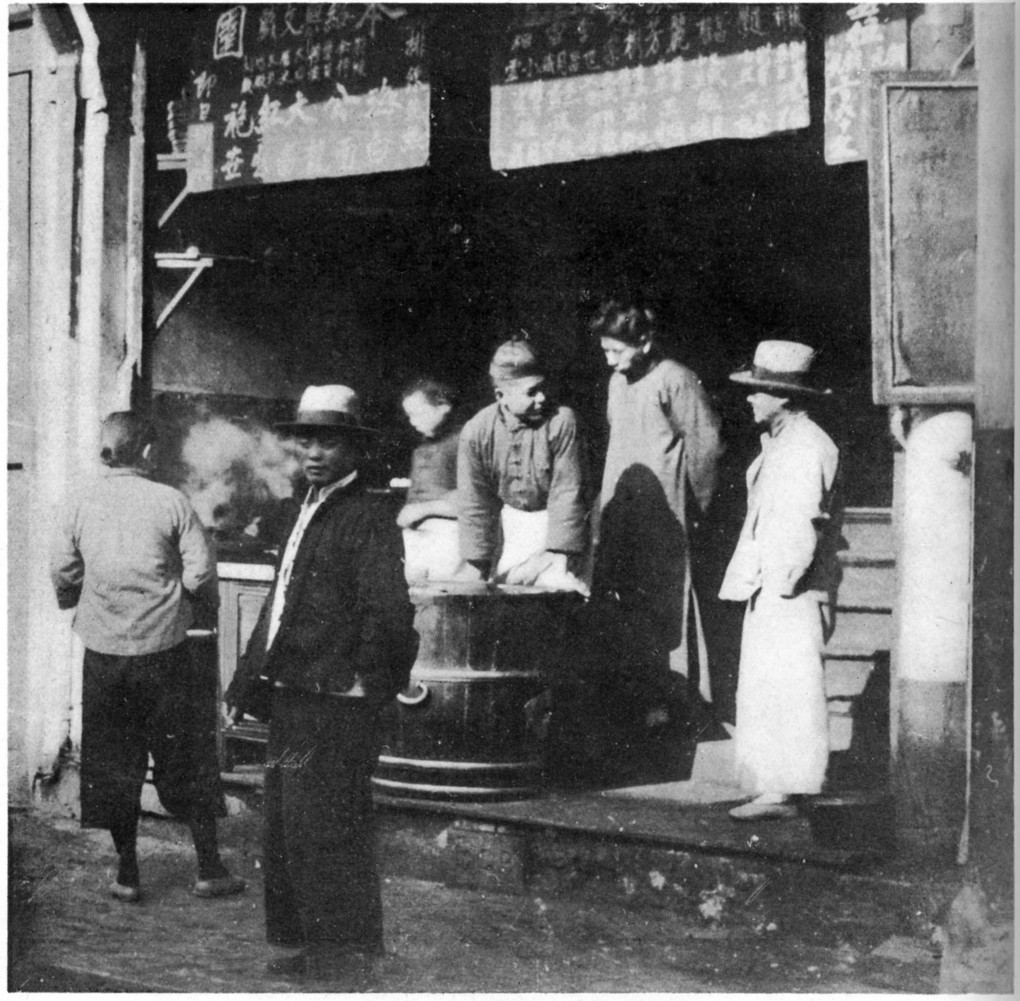
Virtual Shanghai
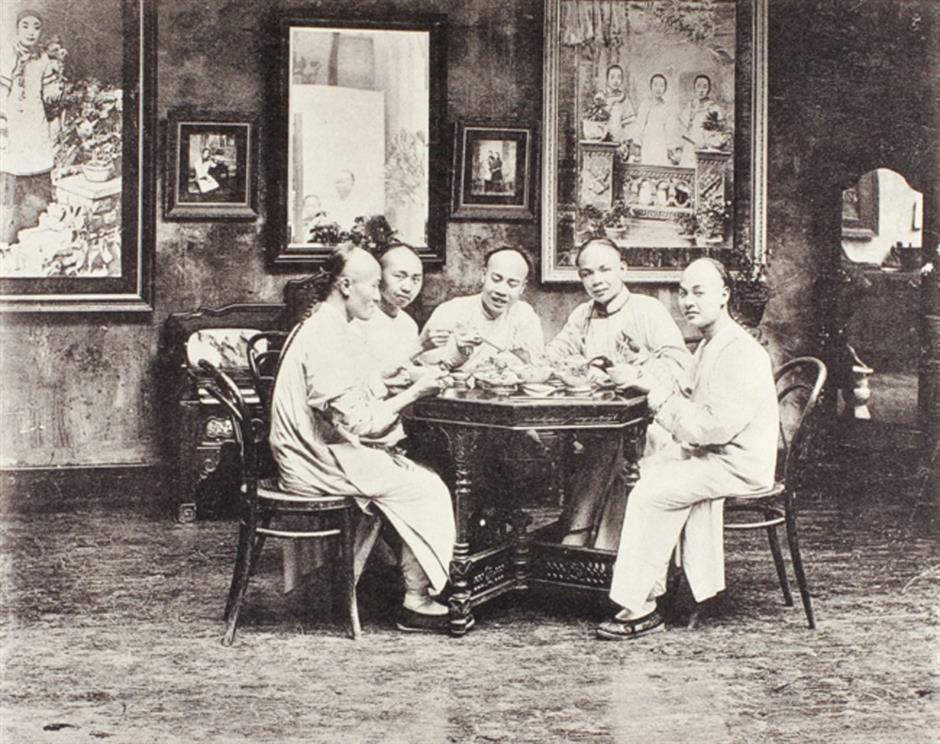
Chinese dinner, Shanghai (1907)
From Farmhouse Tables to City Restaurants
Benbang cuisine did not begin as banquet food.
Its earliest roots were in local home cooking and countryside food, especially in areas such as Chuansha, Sanlin and Gaoqiao in Pudong. Ingredients came from nearby rivers, fields and markets: fish, shrimp, pork, vegetables, tofu, soy sauce and rice wine.
The cooking was practical and generous. Red-braising, steaming, simmering, deep-frying and cooking with rice wine were common methods. The flavors were rich but familiar, often savory with a touch of sweetness.
That is where the famous phrase "Nong You Chi Jiang (浓油赤酱)" comes in, usually translated as "rich oil and red sauce."
It refers to the glossy, dark, soy-based style many people associate with old Shanghai dishes. Think of red-braised pork, braised fish, soy-sauce-colored duck and dishes that arrive at the table shining, fragrant and deeply savory.
But Benbang cuisine is not all heavy sauce. It also has cold dishes, drunken dishes, soups and delicate seasonal preparations. The point is not to be flashy. The point is to taste right.
2 Photos | View Slide Show >
-
Virtual Shanghai
-
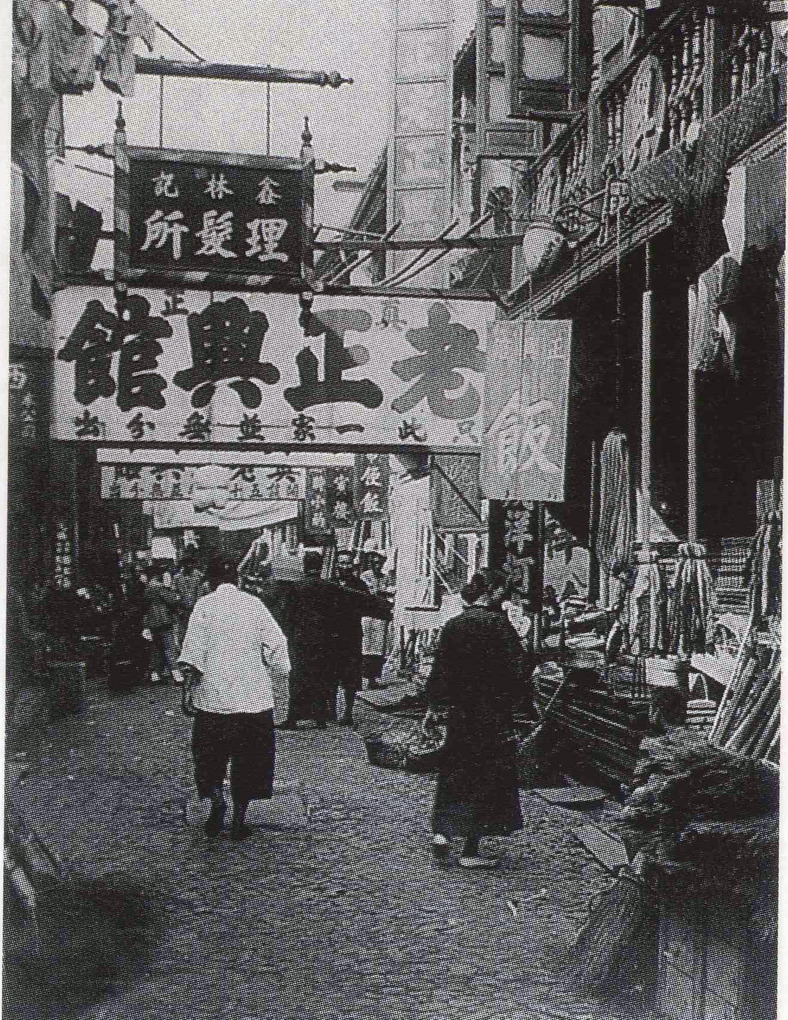
Lao Zheng Xing restaurant (1920)
Virtual Shanghai
A Cuisine Built by a Migrant City
Like Shanghai itself, Benbang cuisine grew through contact.
After Shanghai opened as a port, the city became a place where people from different regions lived, traded and ate together. Local food did not disappear. Instead, it absorbed techniques and flavors from Anhui cuisine, Huaiyang cuisine, Suzhou and Wuxi cooking, Cantonese food and other regional traditions, then adjusted them to Shanghai tastes.
This is why Benbang cuisine feels so Shanghai.
It has roots, but it is not closed off. It protects local flavor, but it also borrows, adapts and improves. Its development echoes Shanghai-style culture itself, open, practical, and always ready to turn outside influences into something local.
Even restaurants serving other regional cuisines began to adjust for Shanghai diners. Sichuan restaurants developed lighter, less spicy versions. Cantonese restaurants created new local-friendly styles. Over time, these "Shanghai-style" versions became part of the city's dining landscape.
Shanghai did not just receive food from elsewhere. It changed the food it received.
4 Photos | View Slide Show >
-
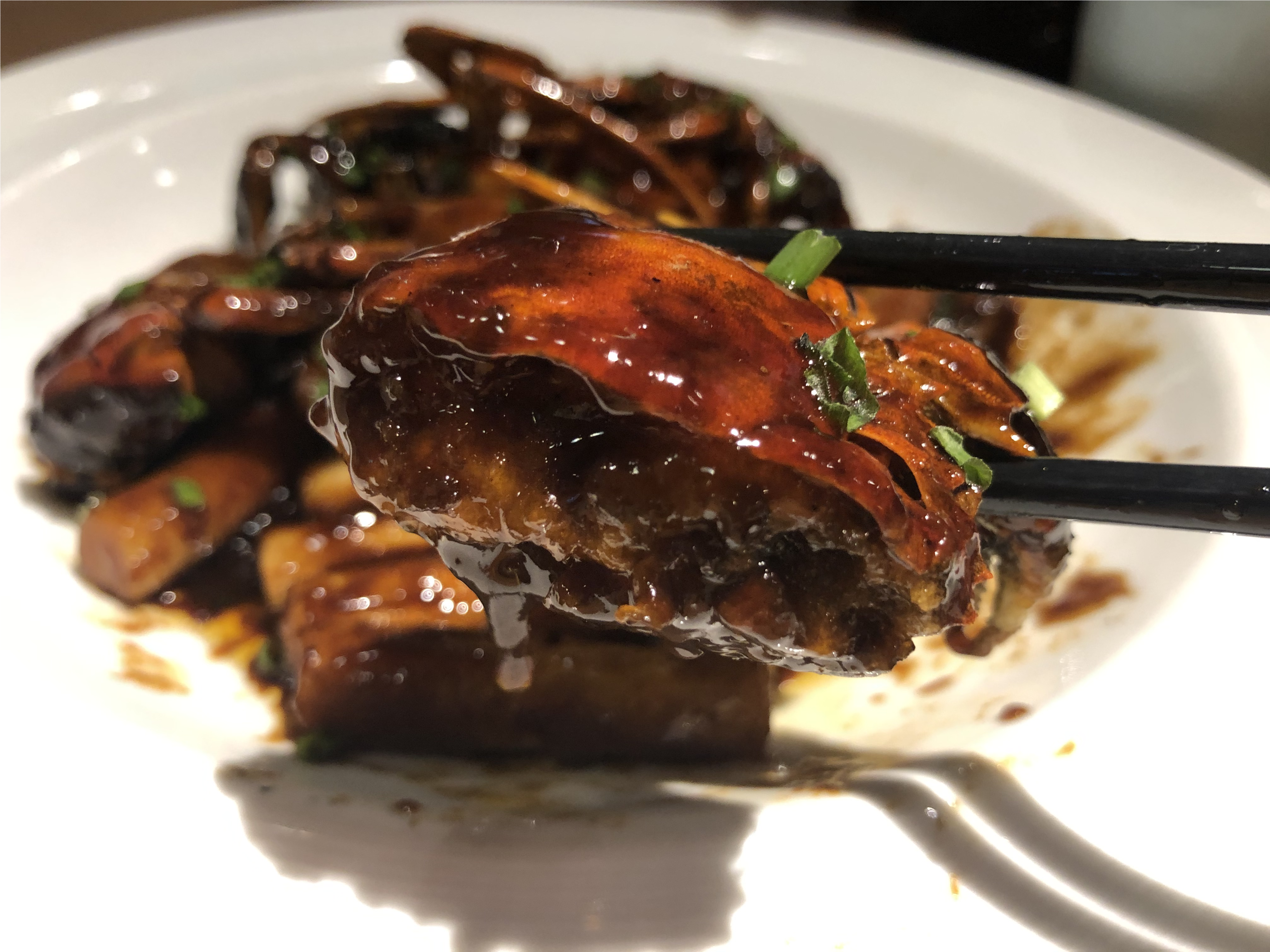
Hairy crab stir-fried with sliced rice cakes is a beloved Shanghai dish, combining rich soy sauce flavor with soft, chewy textures.
Imaginechina
-
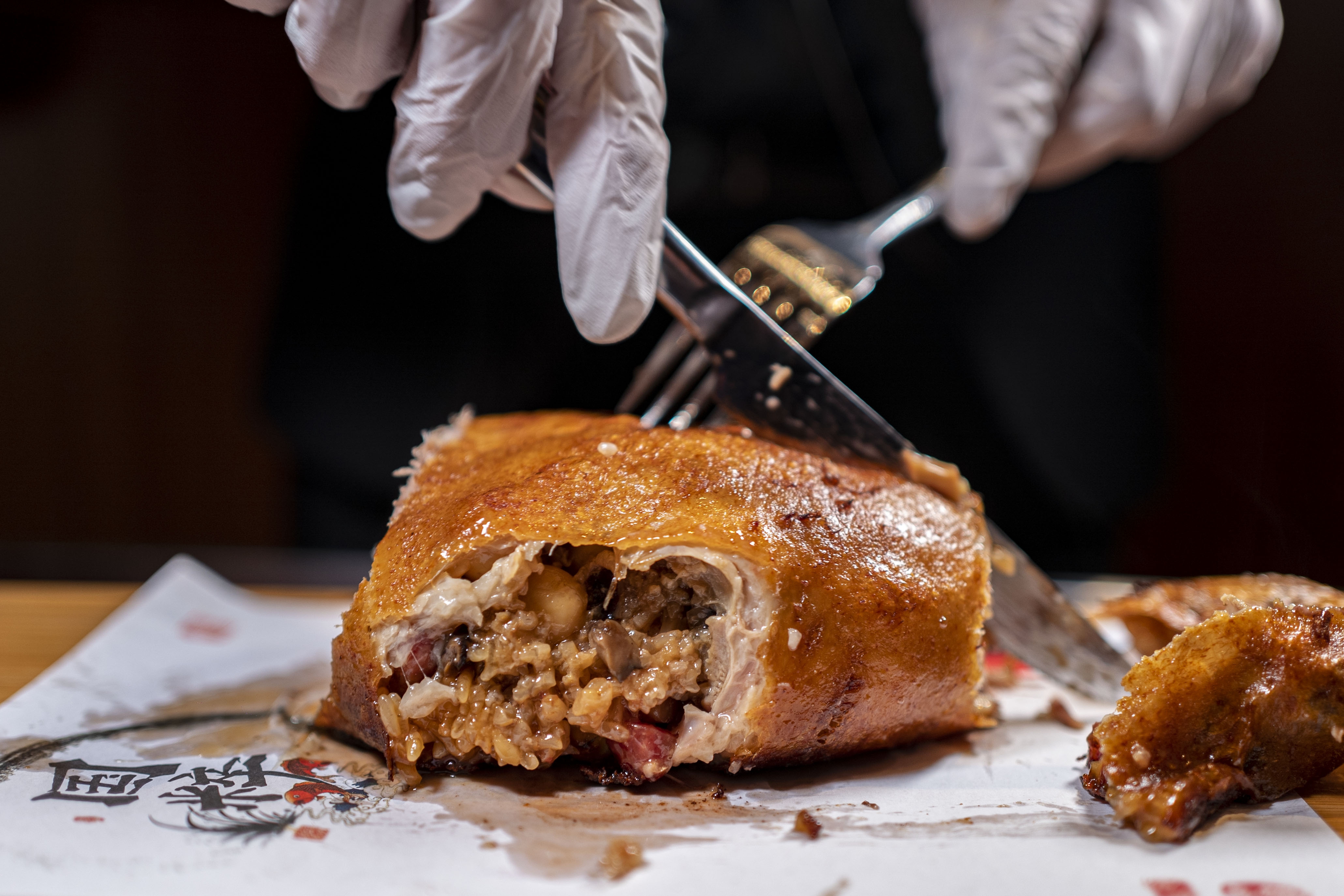
Eight-treasure duck, a classic Shanghai dish refined by Shanghai Old Restaurant in the 1930s, is stuffed with glutinous rice, ham, bamboo shoots, mushrooms and other ingredients before being steamed until tender and rich with sauce.
Imaginechina
-
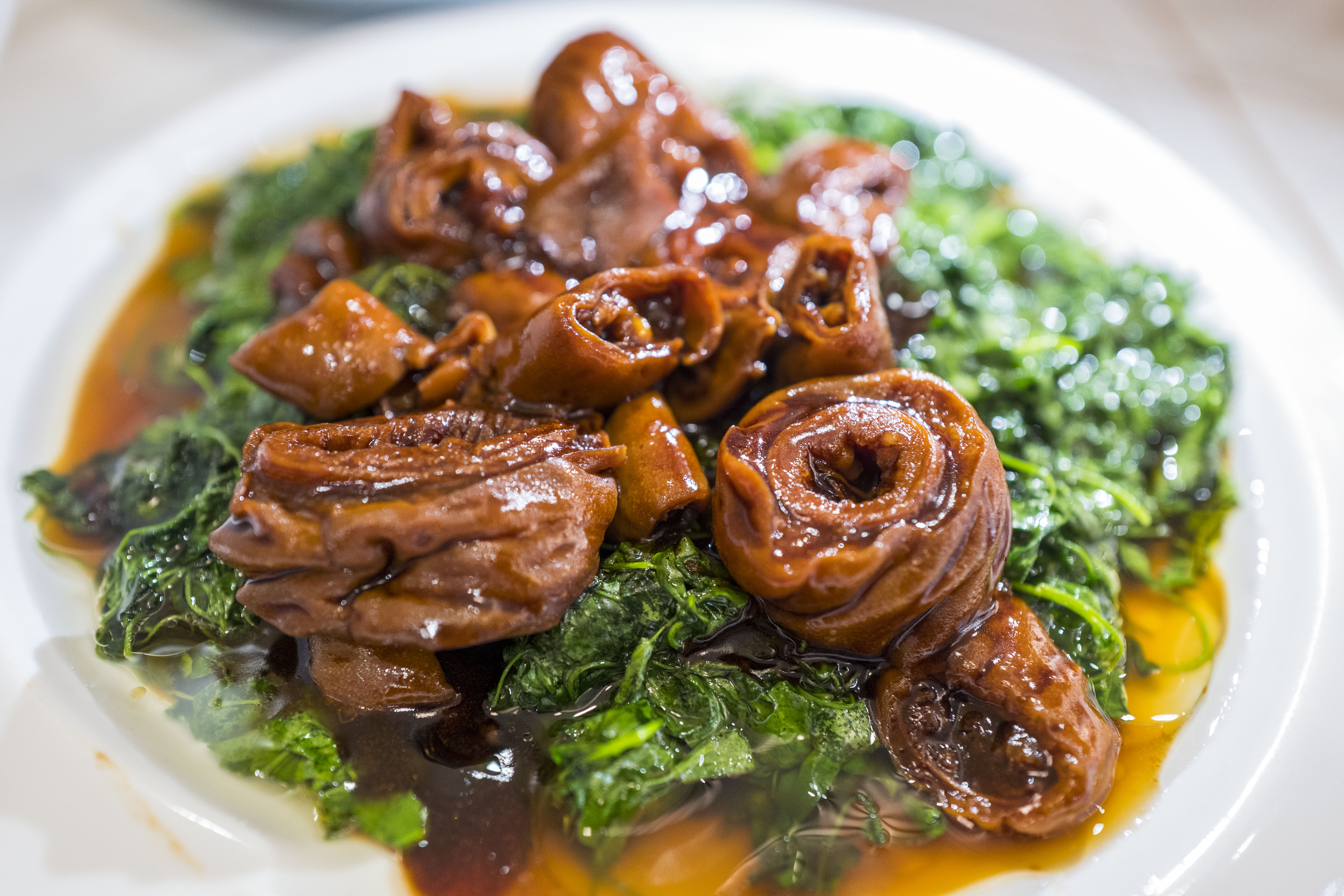
"Cao Tou Quan Zi (草头圈子)" pairs red-braised pork intestines with quickly stir-fried alfalfa greens, balancing rich soy-sauce flavor with a fresh, grassy aroma in a classic Shanghai dish.
Imaginechina
-
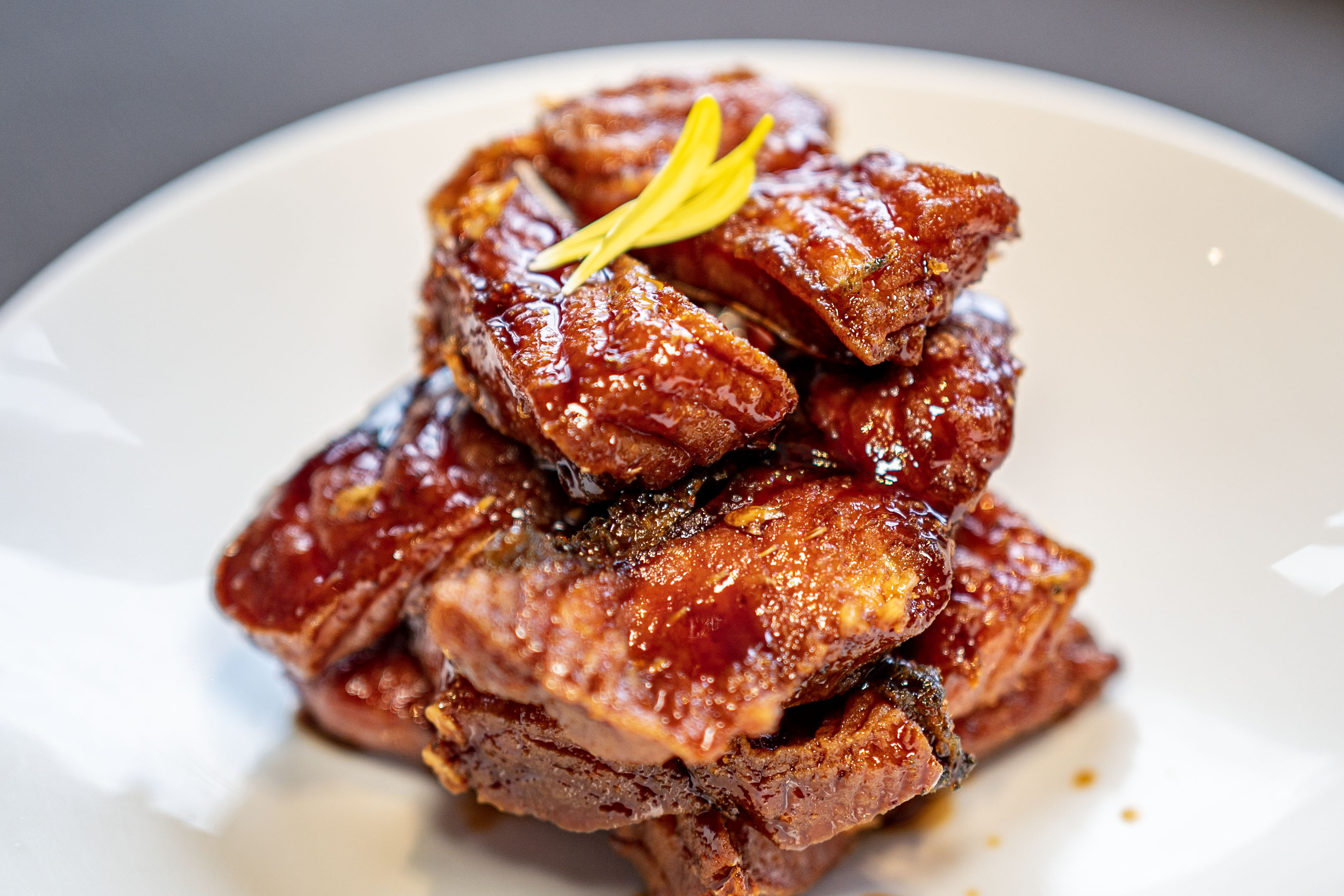
Old Shanghai-style smoked fish is a classic Benbang cold dish, made by frying marinated fish until crisp and soaking it in a sweet-savory sauce flavored with soy sauce, rock sugar and Shaoxing wine.
Imaginechina
The Rise of the Old Restaurants
Benbang cuisine became more established in the late 19th and early 20th centuries through restaurants.
One important name is Shanghai Old Restaurant (上海老饭店), whose predecessor is linked to the early development of Benbang dining. Its traditional Benbang cooking skills were listed as a national-level intangible cultural heritage project in 2014.
Another key name is De Xing Guan (德兴馆), often associated with classic Benbang dishes and old Shanghai restaurant culture.
These restaurants helped turn local home-style cooking into a recognized cuisine. Dishes such as eight-treasure duck (八宝鸭), oil-fried river shrimp (清炒河虾), shrimp roe sea cucumber (虾子大乌参), red-braised intestines (草头圈子) and Old Shanghai-style smoked fish (老上海熏鱼) became famous Shanghai flavors.
Some dishes also show how Benbang cuisine learns and reinvents. Eight-treasure duck, for example, was developed after chefs studied eight-treasure chicken and adapted the idea into a richer, more impressive duck dish. It became one of the most iconic Benbang classics.
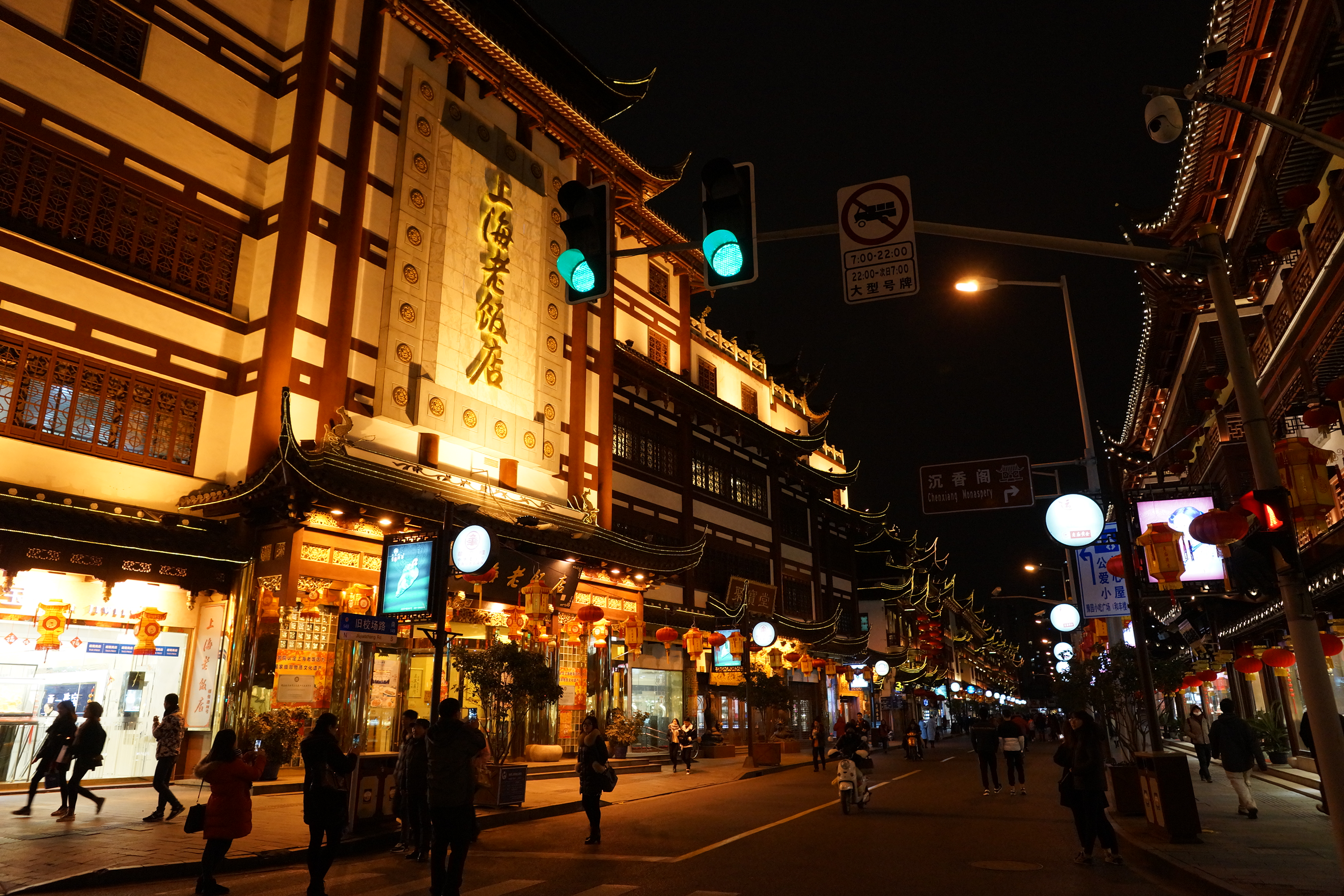
3 Photos | View Slide Show >
-
Shanghai Old Restaurant at Yuyuan Garden is one of the city's best-known names for traditional Benbang cuisine.
Imaginechina
-
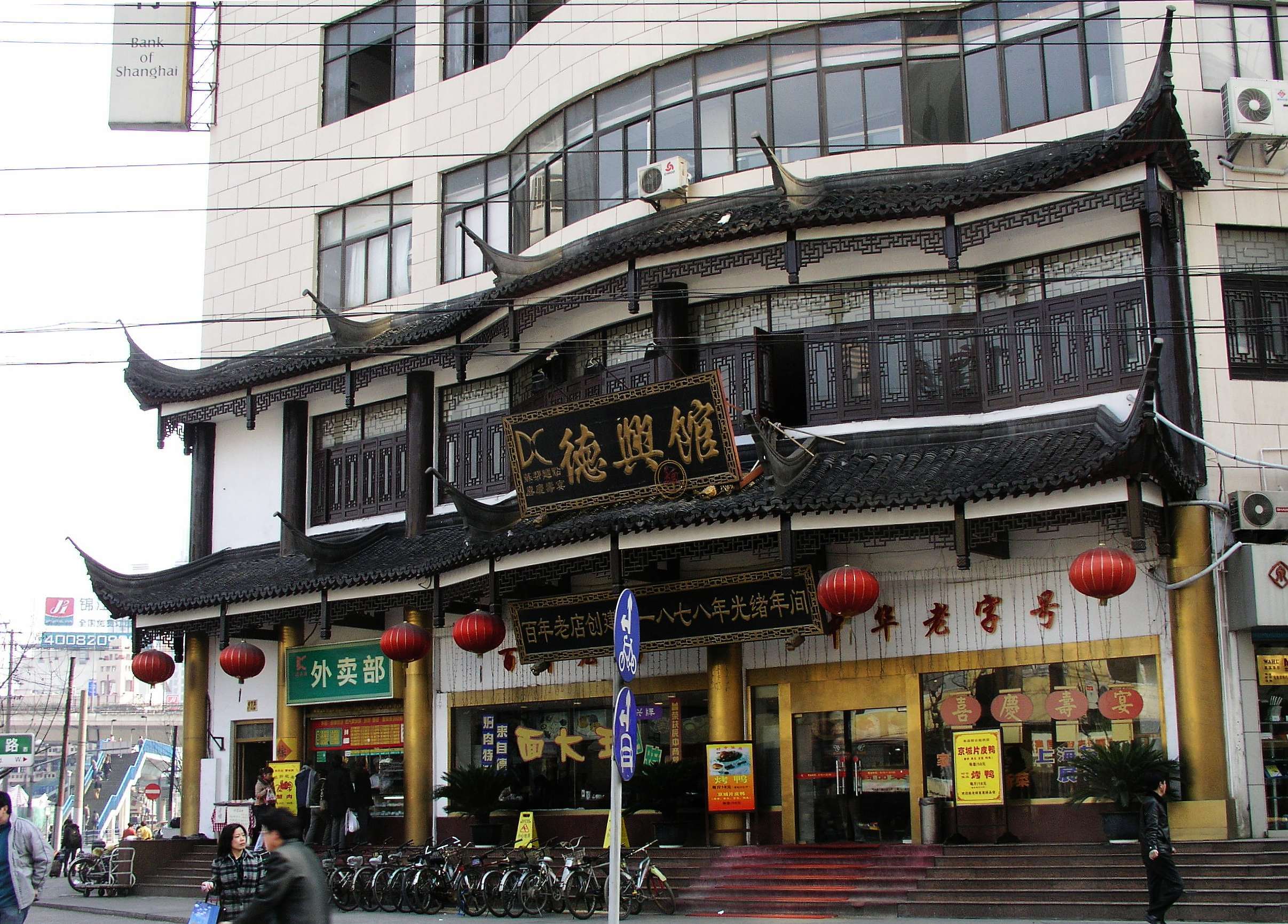
De Xing Guan, founded during the Qing Dynasty, is regarded as one of the birthplaces of Shanghai's Benbang cuisine.
Imaginechina
-
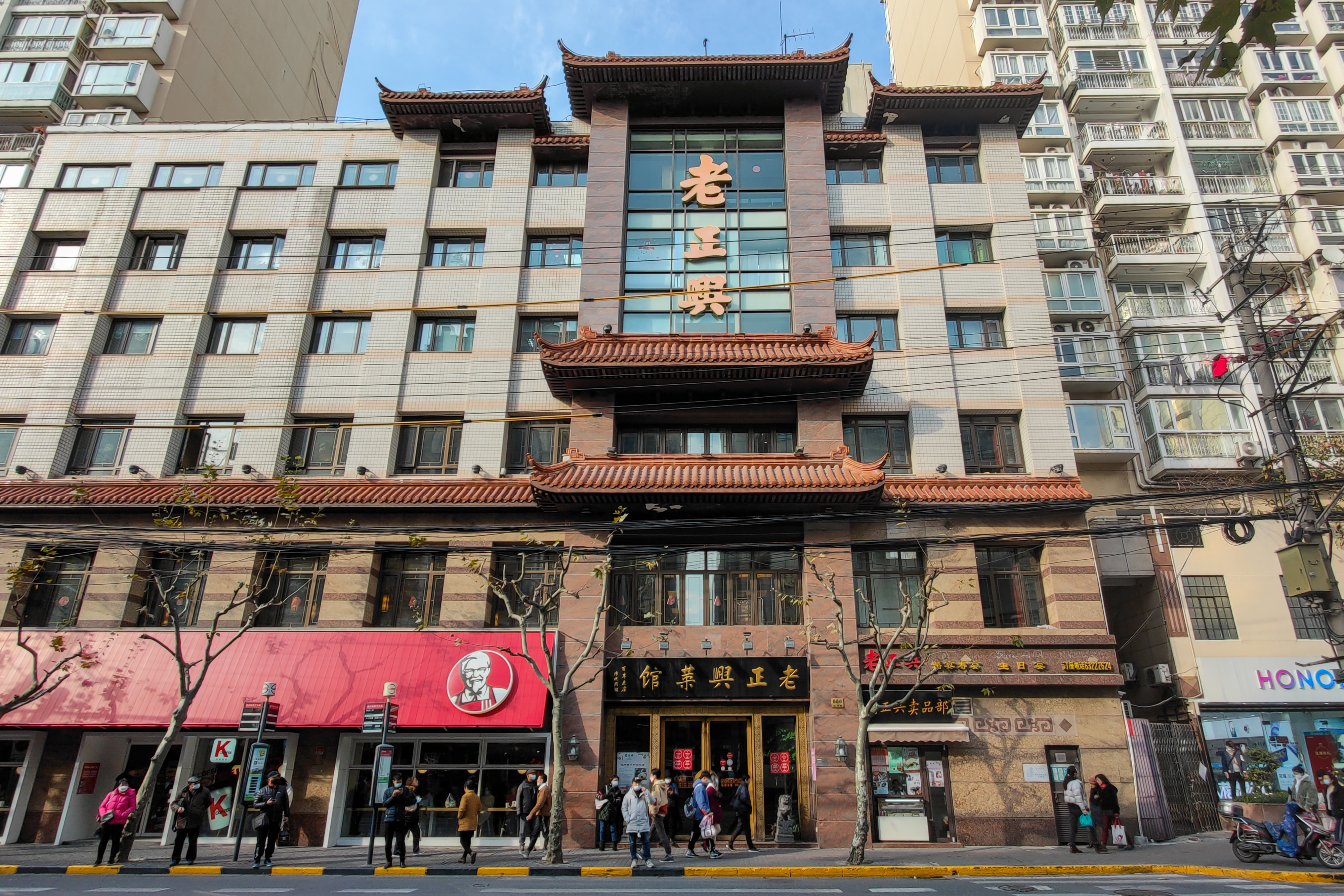
Lao Zheng Xing on Fuzhou Road is a time-honored restaurant known for classic Shanghai flavors.
Imaginechina
The Comfort Food of Shanghai
Benbang cuisine is perhaps best understood as Shanghai's comfort food. Here are a few other examples of famous Benbangcai dishes:
- Shanghai red-braised pork belly 红烧肉 hóngshāo ròu Probably the most iconic Benbang dish: pork belly braised with soy sauce, sugar, and Shaoxing wine until glossy and tender.
- Sweet-and-sour spare ribs 糖醋小排 tángcù xiǎopái A beloved Shanghai dish, usually sticky, tangy, sweet, and savory.
- Scallion oil eel strips 响油鳝丝 xiǎngyóu shàn sī Shredded eel finished with sizzling hot oil, garlic, scallions, and soy-based sauce. Very classic old-Shanghai.
- Oil-burst river shrimp 油爆河虾 yóubào héxiā Small river shrimp quickly fried so the shells become crisp and the sauce turns sweet-salty.
- Braised pork hock / trotter 红烧蹄膀 hóngshāo tíbǎng Big, sticky, collagen-rich pork hock in red-braised sauce. A serious "old Shanghai" dish.
- Eight-treasure duck 八宝鸭 bābǎo yā Duck stuffed with glutinous rice, ham, mushrooms, lotus seeds, and other ingredients, then steamed/braised. More banquet-style.
- Braised sea cucumber with shrimp roe 虾籽大乌参 xiāzǐ dà wūshēn A prestigious old restaurant dish, especially associated with traditional Shanghai restaurants.
- Kou San Si 扣三丝 kòu sān sī A refined dish of extremely finely cut chicken, ham, and bamboo shoots, known for knife skill.
- Braised catfish / longsnout catfish 红烧鮰鱼 hóngshāo huíyú A classic red-braised fish dish, sweet-savory and rich.
- Soy-braised duck 酱鸭 jiàng yā Dark, glossy, savory-sweet duck, often served cold or room temperature.
Also worth knowing: xiaolongbao 小笼包 and shengjianbao 生煎包 are famous Shanghai foods, but they are more in the snack/dim-sum street-food category rather than the core restaurant-style Benbangcai canon.
Famous dishes and old restaurant names are only part of the story. What really matters is the memory it carries, like a British Sunday roast, Italian pasta al ragù, French beef stew or a family recipe that every household insists must be done its own way.
For many locals, Benbang cuisine is memory.
It is red-braised fish at a family dinner. It is river shrimp that must be crisp, glossy and just sweet enough. It is eight-treasure duck at a banquet. It is cold drunken dishes in summer. It is the taste of Chinese New Year, grandparents' tables and old restaurants where regular customers still know what to order before opening the menu.
Benbang cuisine has even been described as a Shanghai dialect on the tongue. Like the local dialect, it carries habits, history and feeling. It may change with time, but once you know the flavor, you recognize it immediately.
2 Photos | View Slide Show >
-
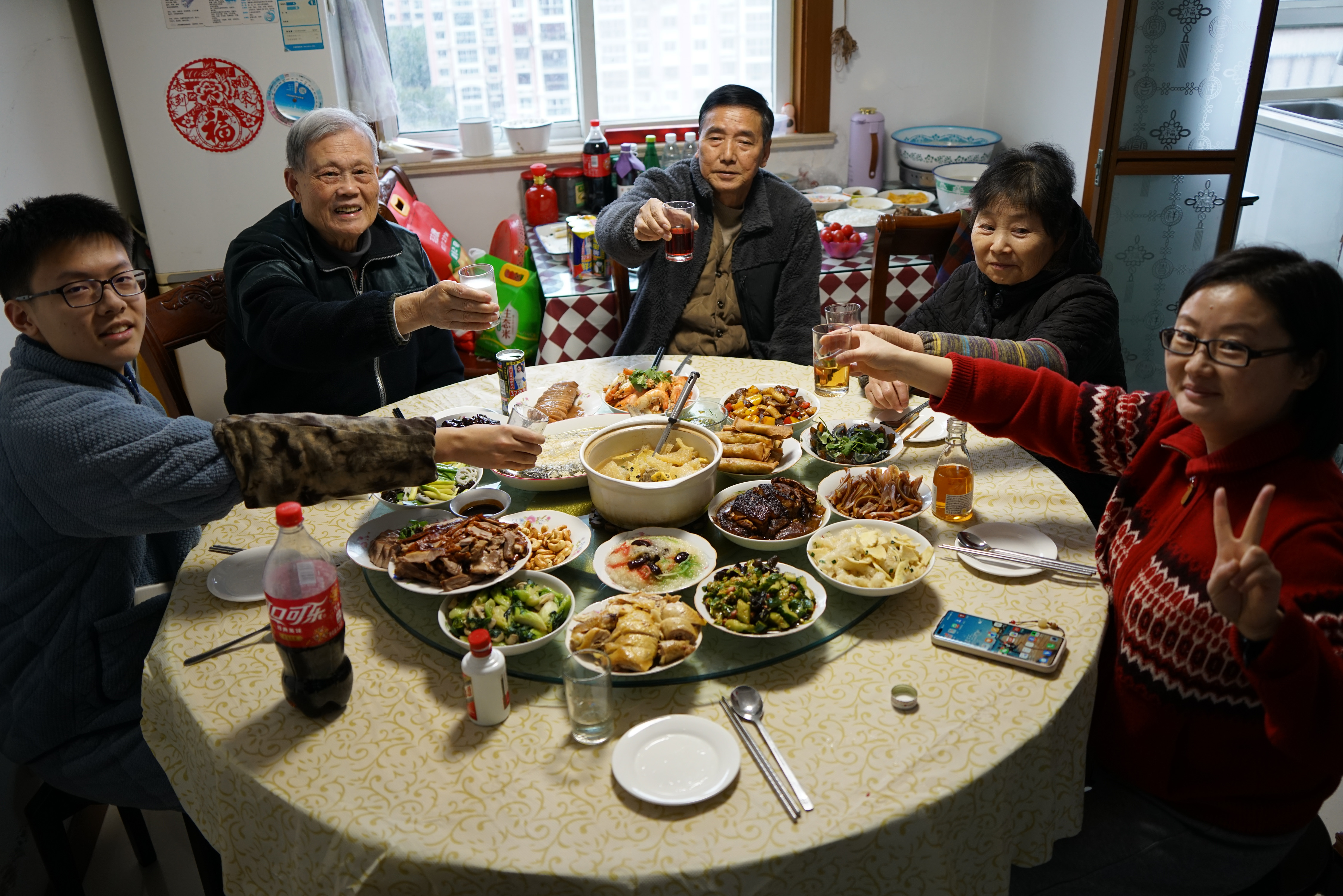
Three generations of a Shanghai family gather around the table for a warm and joyful Chinese New Year's Eve dinner.
Imaginechina
-
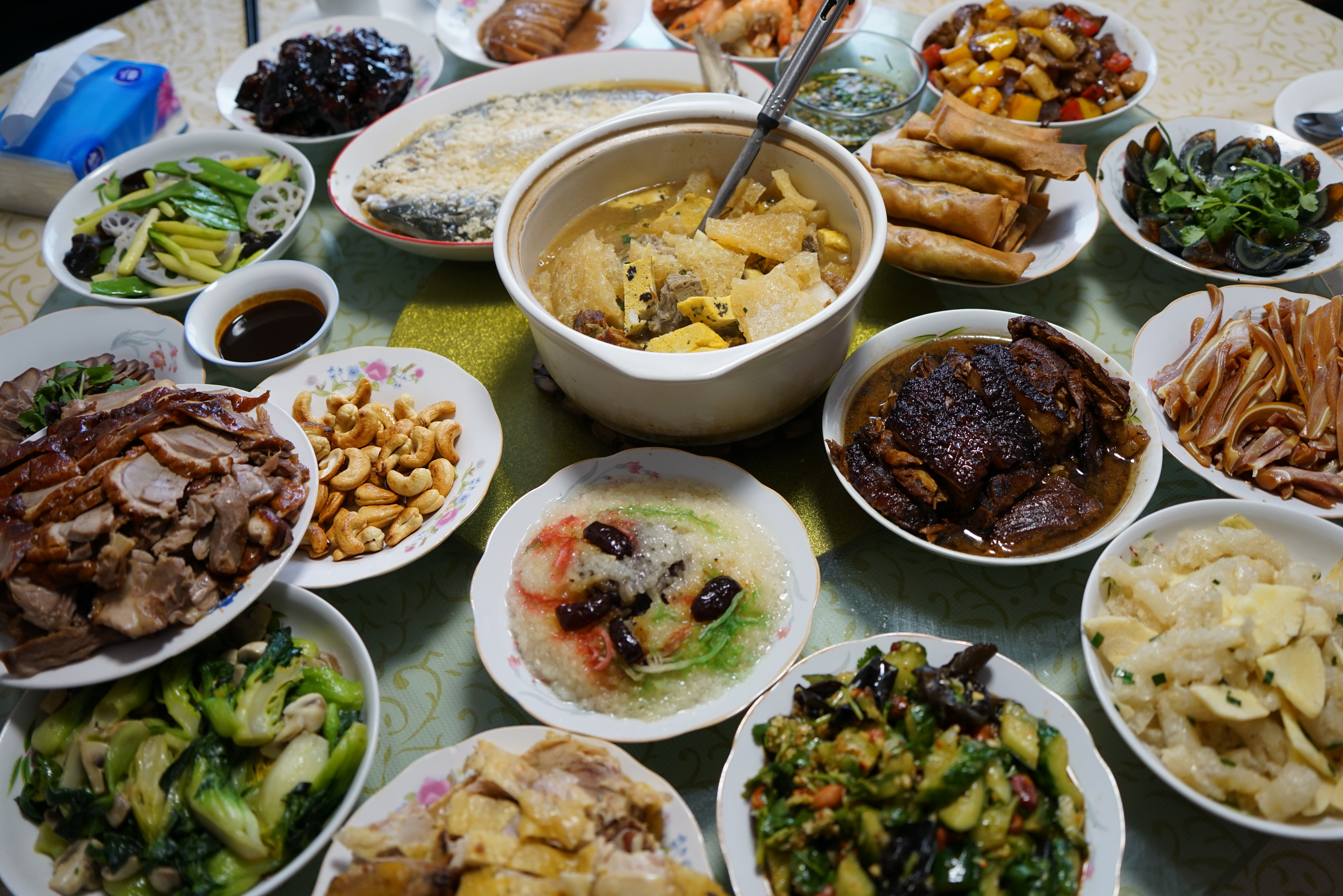
A home-style Chinese New Year's Eve dinner features classic Benbang dishes that carry the taste of family and tradition.
Imaginechina
The Real Meaning of Benbang
So why is Shanghai cuisine called Benbangcai?
Because it came from the local side of a city that was always meeting the outside world.
Because "Shanghai cuisine" sounds too simple for a food tradition shaped by old counties, river towns, migrant cooks, restaurant rivalries, foreign trade, local households and modern reinvention.
And because Benbang keeps one important idea at the center: this is the food Shanghai calls its own.
It is familiar, adaptable, generous and full of city character.
Just like Shanghai itself.
Want to try Benbangcai?
Shanghai Old Restaurant / Shanghai Laofandian 上海老饭店
Address: 242 Fuyou Road, Huangpu District 黄浦区福佑路242号
De Xing Guan / Dexing Guan, Guangdong Road Main Branch 德兴馆(广东路总店)
Address: 471 Guangdong Road, Huangpu District 黄浦区广东路471号


















 2026-07-13