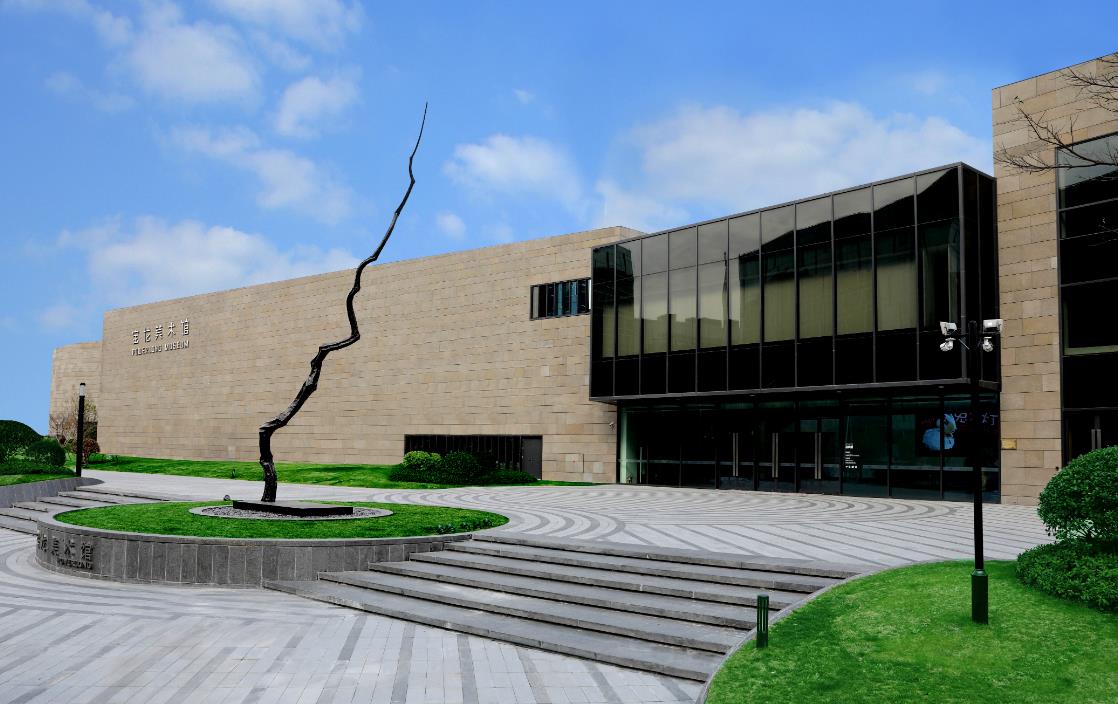
Shanghai Powerlong Museum, located in the "Dahongqiao" area, is a comprehensive art museum that integrates art exhibitions, academic exchanges, and public cultural services. As an important cultural project under the Powerlong Group, the museum not only promotes the development of contemporary Chinese art but also becomes an important cultural landmark in the southern region of Shanghai. Its unique architectural design, diverse exhibition content, and public educational activities make it an important part of urban cultural life.
The museum's architecture is primarily characterized by a simple design style. It consists of five blocks connected by corridors, garden courtyards, and steel structures, creating an elegant and modern artistic atmosphere. The exhibition area of the museum covers approximately 23,000 square meters and includes multiple large exhibition halls and multifunctional halls. The spacious and bright space not only provides a visually open feeling but also offers a flexible and diverse exhibition environment for the presentation of artworks. The Minhang District, where the museum is located, is situated at the intersection of the city and nature. Its environmental characteristics complement the architectural style, allowing visitors to experience tranquility and contemplation in the atmosphere of art.
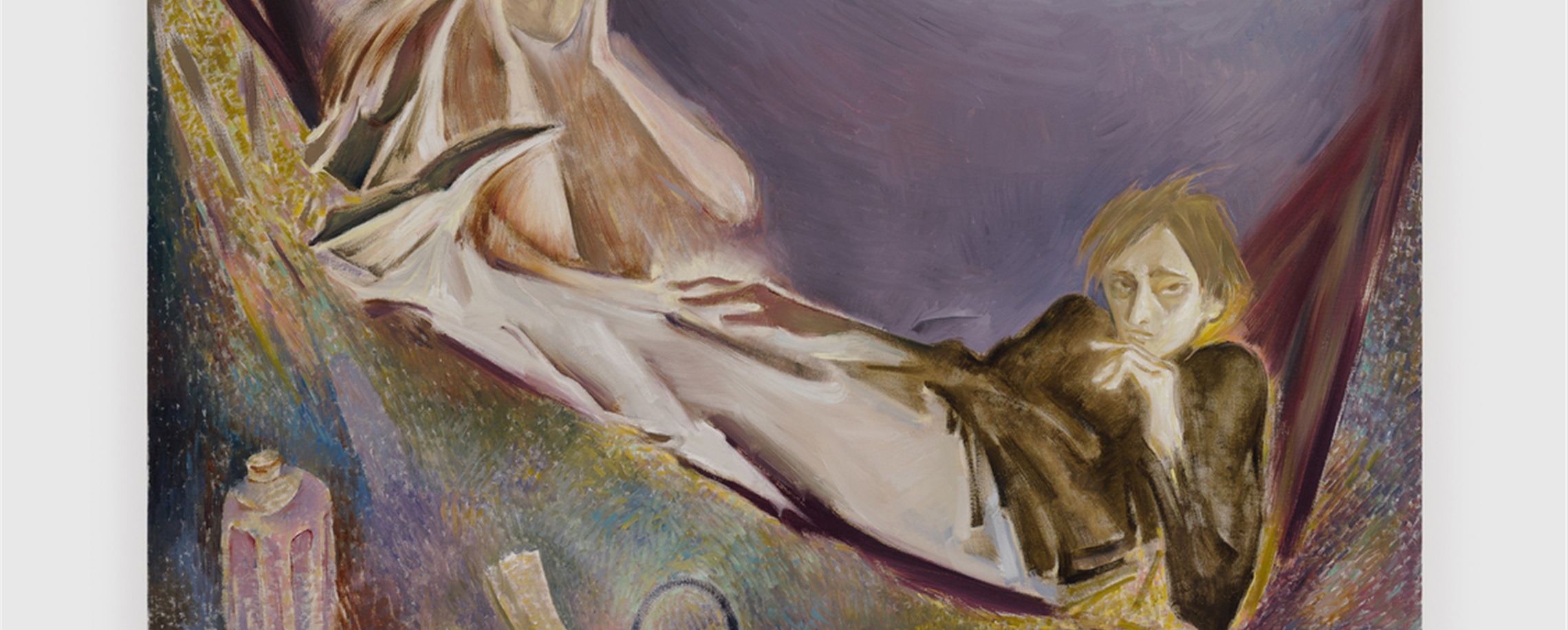
The Powerlong Art Museum features diverse art exhibitions, covering various forms such as traditional Chinese art, contemporary art, design, and photography. The museum regularly hosts important exhibitions including calligraphy and painting exhibitions, sculpture exhibitions, and cross-media installation art exhibitions, showcasing a wide range of artistic spectrums from ancient art classics to contemporary innovations. Through these exhibitions, the museum explores cultural dialogues between tradition and modernity, East and West.
In addition to showcasing the works of renowned artists, the museum also focuses on promoting emerging artists and young creators, providing a platform for artistic innovation. For example, many exhibitions focus on the experimental nature of contemporary Chinese art, exploring the boundaries of materials and forms of expression. These contents not only enrich the audience's artistic experience but also promote the innovation and development of contemporary art.


















 2026-05-28