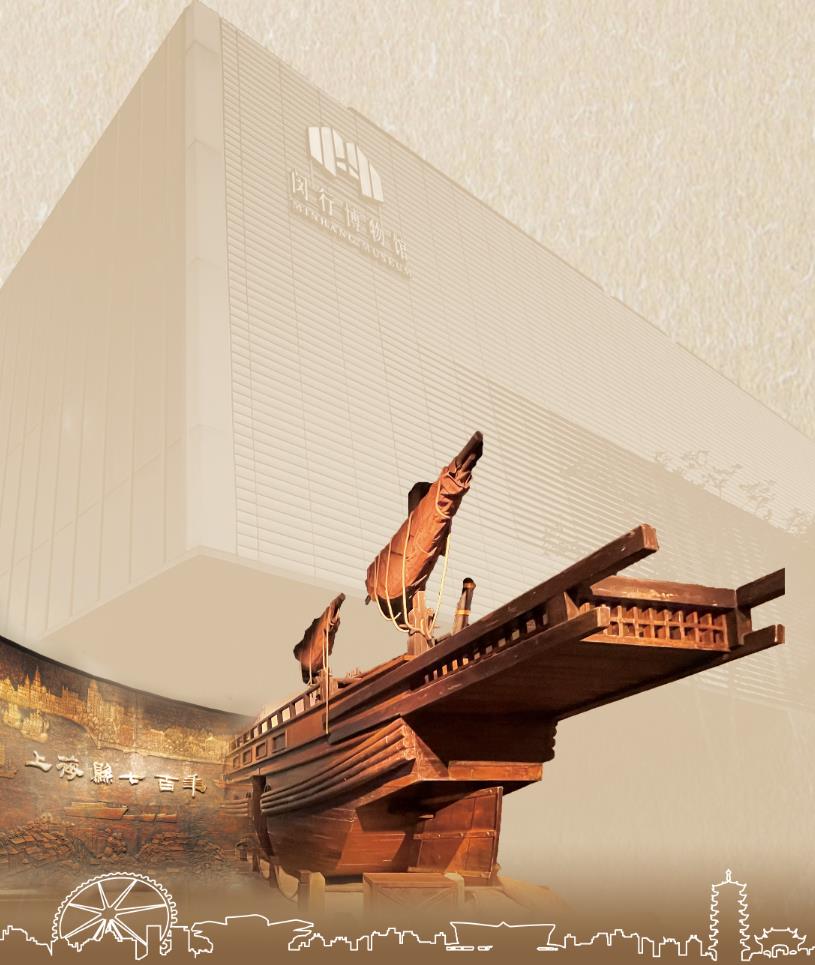
Minhang Museum is located in the southwest corner of Minhang Cultural Park. It is a comprehensive museum with "Jiangnan culture" as its core theme, showcasing the history, folk customs, cultural relics, and development changes of the region. The architectural design concept is "integration with urban culture and coexistence with nature". It is not only a beautiful cultural landscape in the Minhang area but also embodies the spirit of Minhang's talented people, cultural enrichment, and the pioneering spirit of the Minhang people.
The museum presents in detail the historical changes of the region: from the early Jiangnan villages that were mainly agricultural and handicraft-based, to gradually becoming an industrial center in the 20th century, and then rising as an important district of Shanghai today. The museum pays special attention to the development of Shanghai's industrial sector in the 20th century. As one of the birthplaces of early modern industry in China, Minhang once had China's first power plant and aircraft manufacturing base. These historical fragments not only record the process of industrialization in Shanghai but also reflect the pace of China's modernization.
The museum has three permanent exhibition halls. The "700 Years of Shanghai County Exhibition" narrates the rise and fall of Shanghai County in the 700-year history, as well as the production, life, and historical and cultural achievements of the people on this land. The "Maqiao Culture Exhibition" reproduces the life of the ancestors during the Maqiao Culture period, confirming the cultural origin of Shanghai as a place that embraces diverse cultures. The "Chinese Ethnic Musical Instrument Culture Exhibition" showcases the development characteristics, historical and cultural significance, instrument-making techniques, and diverse regional musical instrument cultures of Chinese ethnic musical instruments in different eras.
As a carrier and promoter of cultural dissemination and education, Minhang Museum attaches importance to the popularization and promotion of public education. The museum regularly holds lectures, study tours, and parent-child activities to attract families and student groups, stimulating their interest in history and culture. In addition, the museum closely cooperates with schools and communities, integrating local culture into primary and secondary school curricula, enhancing the sense of identity of young people towards their hometown history.


















 2026-05-28