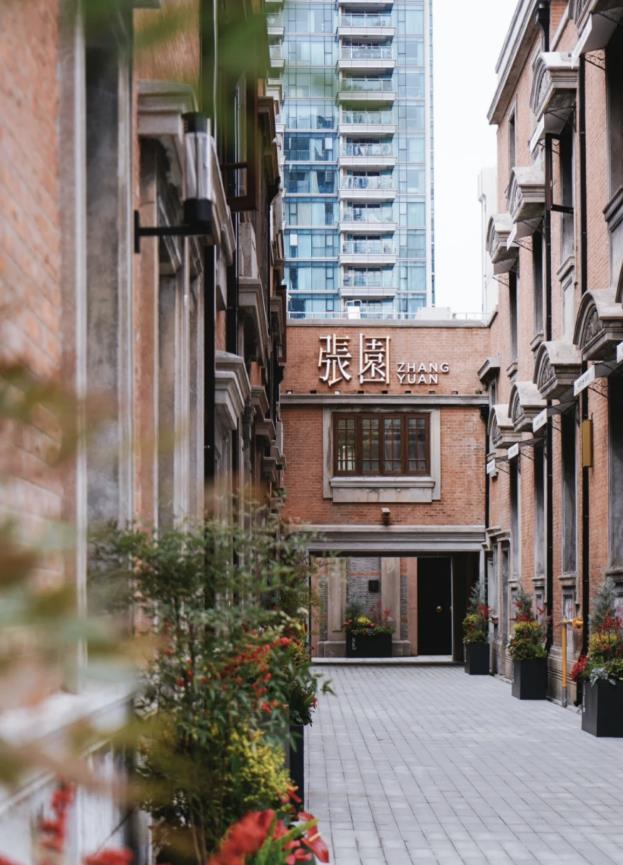
Zhangyuan, the largest collection of mid-to-late period shikumen buildings in Shanghai, has gathered celebrities and tycoons from all walks of life, giving birth to the long-standing Shanghai culture and carrying the memories of generations of people living in the narrow alleys. The garden preserves 42 historical buildings in various styles, including 28 types of shikumen residential houses, serving as a witness to the history and culture of modern Shanghai.
In 1882, Zhang Shuhe, a wealthy merchant from Wuxi, purchased the land and built a private garden, naming it "Zhang’s Weichun Garden," or simply "Zhang’s Garden." In 1885, Zhangyuan opened to the public and became the political and cultural center of Shanghai during the late Qing Dynasty and the Republic of China, earning the reputation as the "first garden on the sea." The first bicycle and the first outdoor photo studio in Shanghai were born in Zhangyuan.
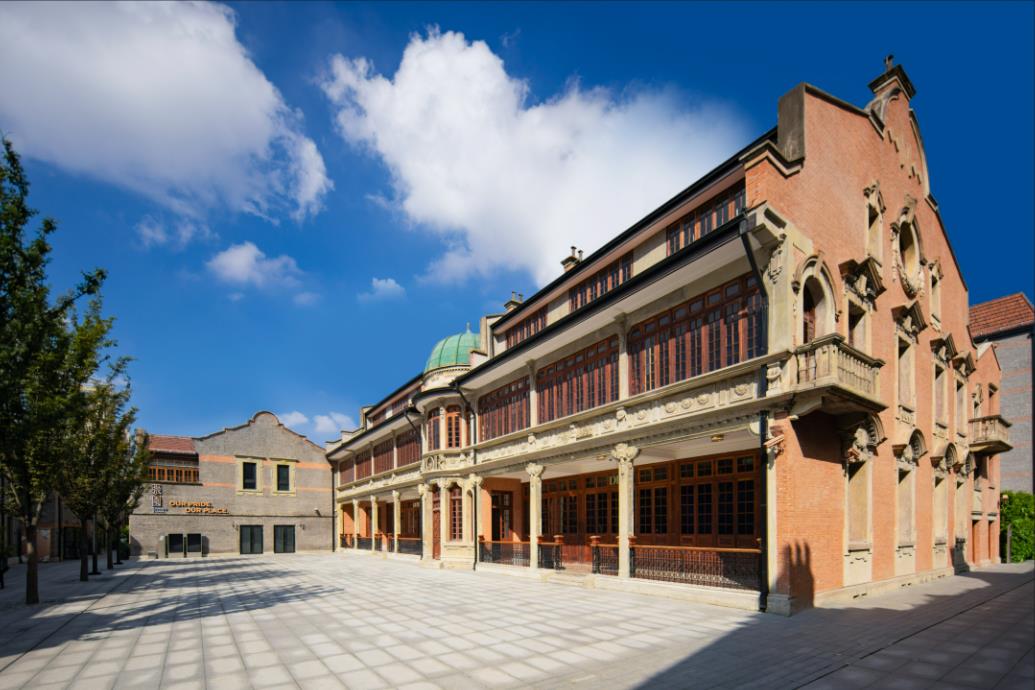
After conservation and restoration projects, this century-old famous garden has shed the traces of history and still allows visitors to experience the grandeur of Zhangyuan in its heyday: the preserved shikumen buildings maintain the original alleyway structure, but the dilapidation of the past is nowhere to be seen; rows of wooden window frames are embedded in the red-brick walls, exquisitely carved; stone door lintels are engraved with patterns and the names of the alleys, neatly arranged along the streets, continuing the historical accumulation and cultural heritage of this place.
The magnificent West District of Zhangyuan stands out amidst the cluster of skyscrapers on Nanjing West Road, injecting an elegant Shanghai shikumen atmosphere into the city. The design of the West District of Zhangyuan fully utilizes the advantages of integrating Eastern and Western elements in shikumen alleys, blending classical and modern styles seamlessly: the eastern part is relatively quiet, with boutique hotels, apartments, and creative office spaces, driving the upgrading of the surrounding industries; international top brands settle in the western part, endowing Zhangyuan with new commercial functions and formats; the northern and southern areas are respectively designated for cultural performance centers, trendy centers, and art galleries, creating a cultural activity base that radiates to the surrounding residents.


















 2026-05-28