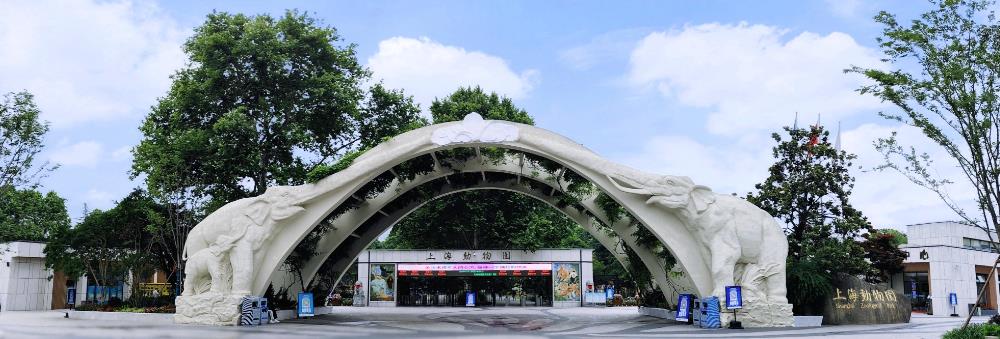
Shanghai Zoo, originally named Xijiao Park, was established in 1954 and carries countless childhood memories and deep emotions of Shanghai people. As the second largest city zoo in China, Shanghai Zoo covers an area of about 74 hectares and is a national 4A-level tourist attraction, having received multiple titles such as "Top Ten Zoos in China" and "Civilized Unit of Shanghai City".
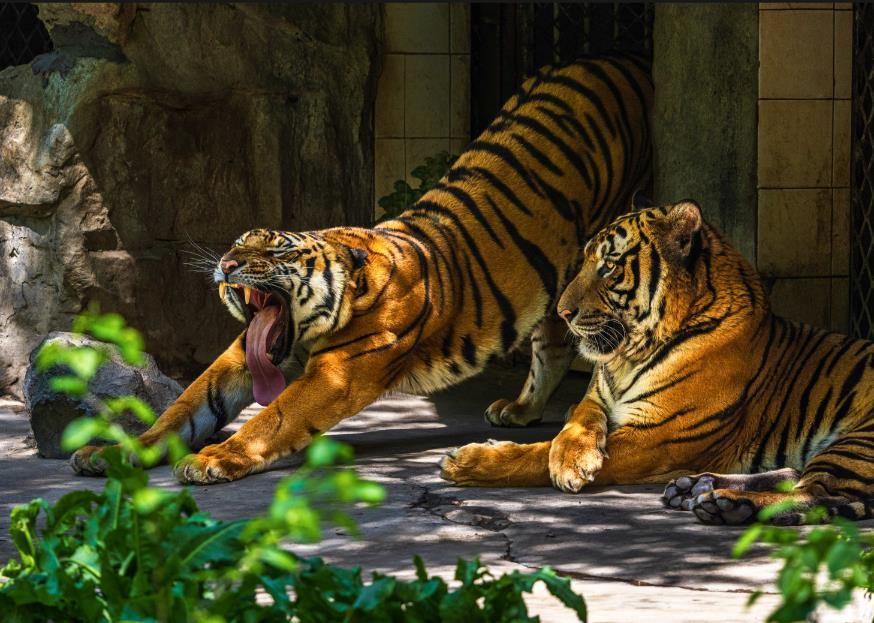
Currently, the zoo houses and exhibits over 470 species and more than 5,000 rare and precious wild animals, including the world-famous "national treasure" giant pandas, as well as golden monkeys, South China tigers, Yangtze alligators, and other rare Chinese wildlife. It also showcases representative animals from around the world, such as gorillas, African lions, giraffes, kangaroos, and South American anteaters. The park is adorned with over 400 species of trees and over 130,000 plants, including 12 ancient and famous trees. Notably, there is a spacious and refreshing lawn of 100,000 square meters, maintaining the topography of a golf course from 50 years ago. Every green landscape in the park is integrated with the animals' ecological environment, especially at Swan Lake, where reeds and green trees create a picturesque scene. Flocks of pelicans often fly in formation under the blue sky, displaying graceful and robust postures.
In recent years, Shanghai Zoo has aimed to become an urban ecological zoo, using exhibit area designs and constructions that conform to the biological characteristics of animals, as well as providing barrier-free visiting methods. These efforts allow the wild animals to exhibit more natural behaviors, enabling people to observe different characteristics and natural habits of various wildlife species. Through animal conservation education explanations, feeding demonstrations, popular science education propaganda, and themed activities, the zoo conveys correct information about wildlife conservation, achieving the goal of environmental protection education.
Since its opening, Shanghai Zoo has welcomed over 200 million visitors, transforming from a simple tourist attraction to a comprehensive park with four functions: scientific research, comprehensive conservation, conservation education, and cultural leisure. The beautiful garden landscapes, exciting wildlife world, ecological wildlife exhibit areas, and harmonious coexistence between humans and animals have left visitors with many wonderful memories and a deeper understanding of nature.



















 2026-05-28